-
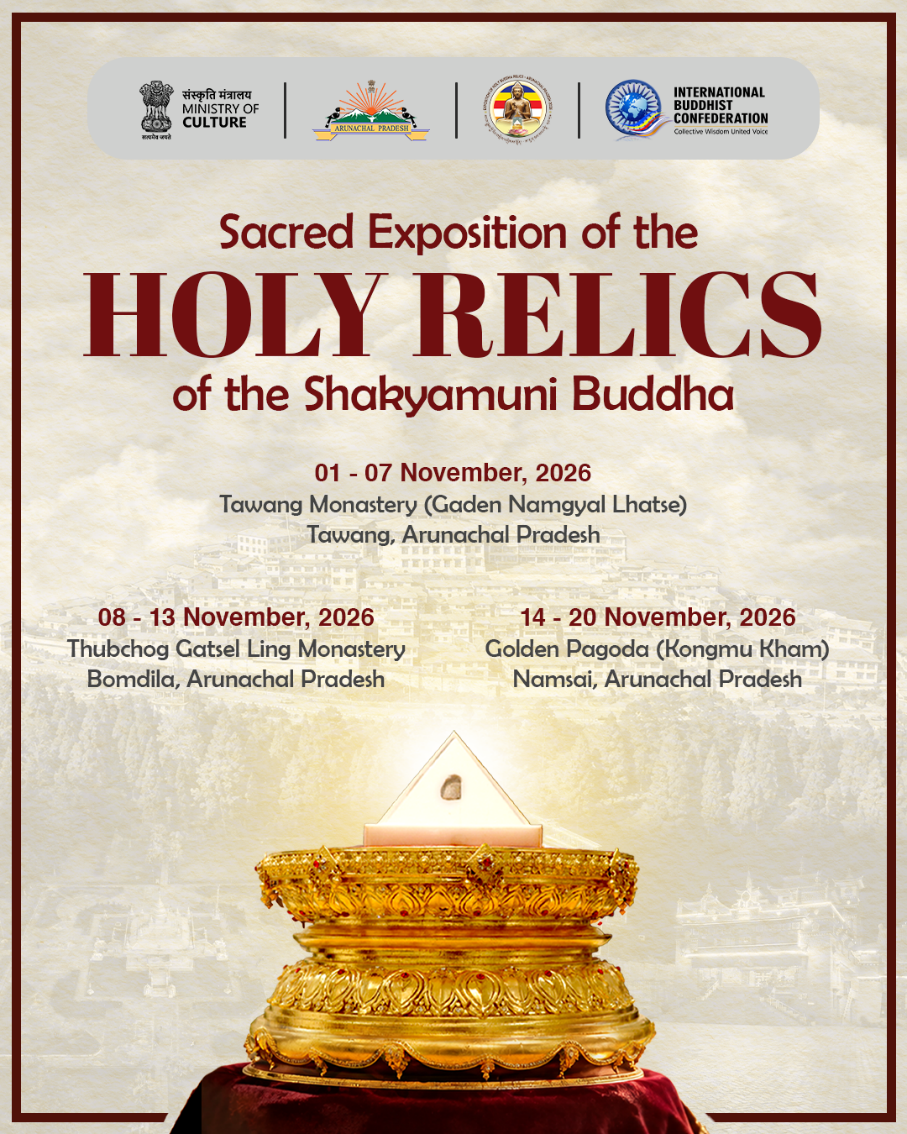
Exposition of Shakyamuni Buddha's Sacred Relics in Arunachal Pradesh, India

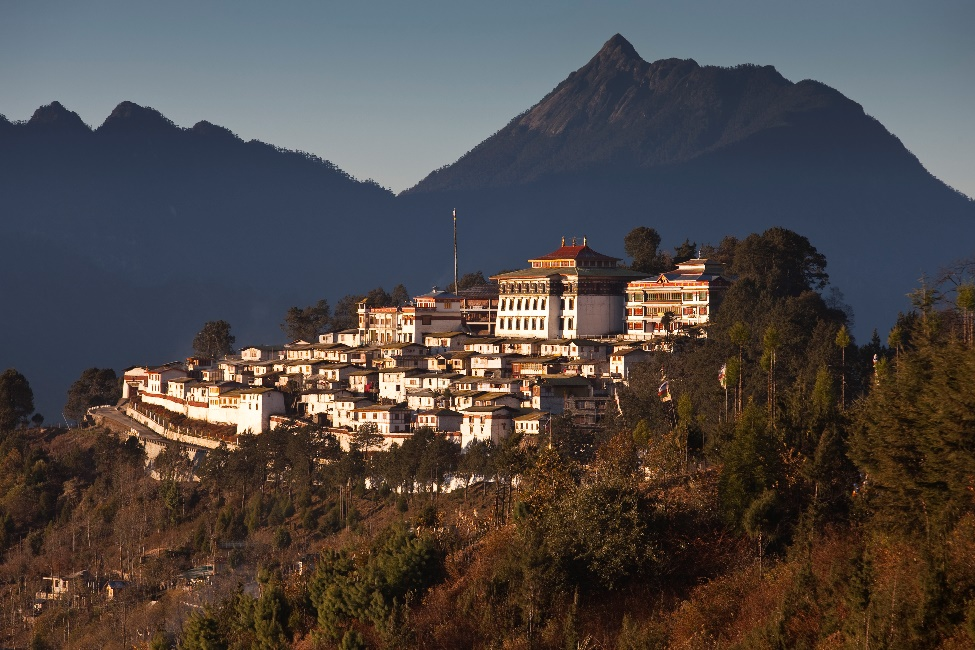
The Ministry of Culture, Govt of India, in collaboration with the Govt of Arunachal Pradesh, the International Buddhist Confederation (IBC), New Delhi and the National Museum, New Delhi will be conducting Sacred Relics Exposition of Shakyamuni Buddha in Arunachal Pradesh from 31 October to 21 November 2026. The Exposition will be inaugurated on 01 November 2026 at the Gaden Namgyal Lhatse (Tawang Monastery), on the auspicious occasion of Lhabab Duechen (Abhidhamma Diwas).
The Sacred Relics will travel from the National Museum, New Delhi with due ceremony and protocol accorded to a Head of State, to Air Force Station Palam, on 31 October 2026, for the onward journey to Tawang, via Guwahati on a special Indian Air Force aircraft.
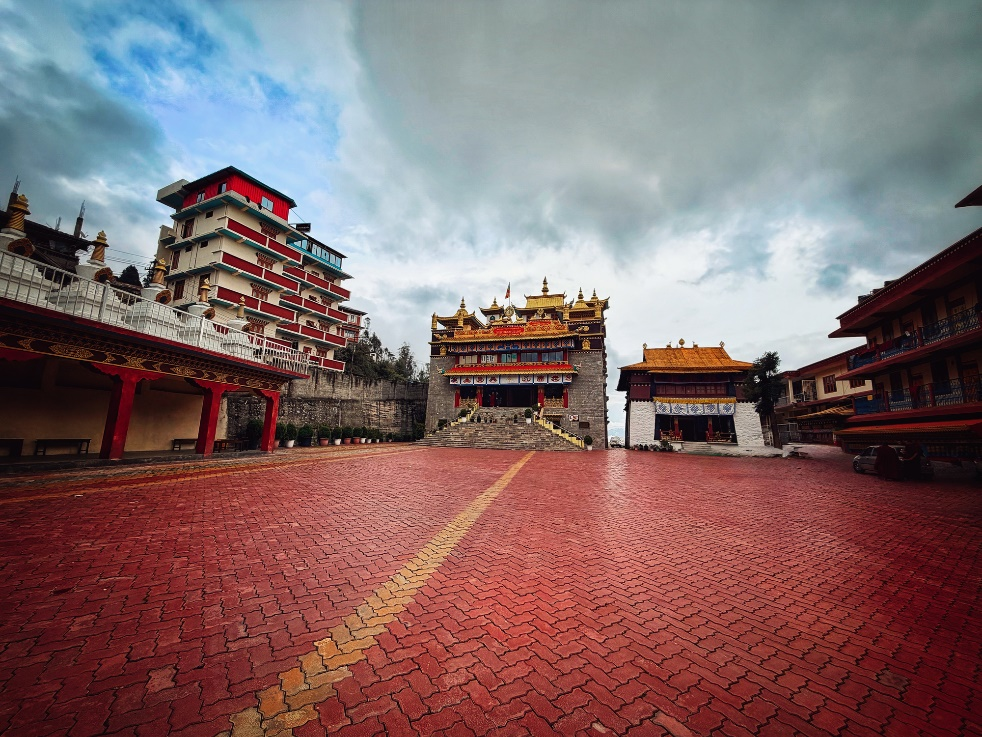
From Tawang, the Sacred Relics will travel to Bomdila, to be enshrined at the TGL Monastery (Lower Gompa) from 08 to 13 November 2026.
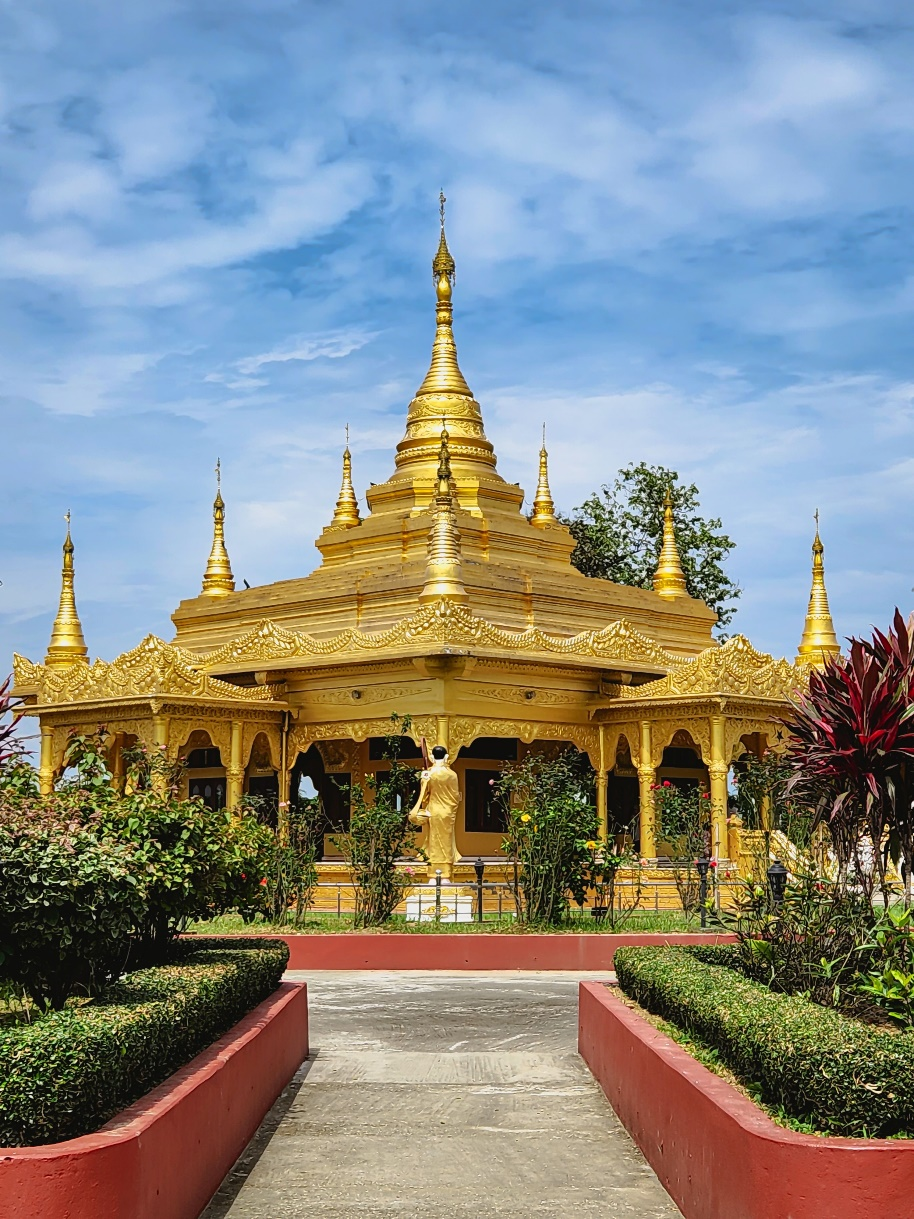
During the concluding leg of the Exposition, the Sacred Relics will be enshrined at the Golden Pagoda, in Namsai, from 14 to 20 November 2026.
The Sacred Relics will return to the National Museum, New Delhi on 21 November 2026.
On the sidelines of the Sacred Relics Exposition, IBC will organise an exhibition on "Unearthing the Sacred Piprahwa: The Story of the Holy Buddha Relics and Their Discovery" at Tawang, Bomdila and Namsai.
The IBC will also host an international conference on "Buddhism: Dissemination in the Himalayan Region and Beyond" at the Kalawangpo Convention Hall, Tawang, on 02 November 2026, with the participation of monks, scholars, and delegates from India, Nepal, Sri Lanka, Myanmar, Malaysia, Indonesia, and Germany.
About IBC Exhibition: Unearthing the Sacred Piprahwa: The Story of the Holy Buddha Relics and Their Discovery
The exhibition titled "Unearthing the Sacred Piprahwa – The Story of the Holy Buddha Relics and Their Discovery" begins with the life of Siddhartha Gautama, the Buddha, whose teachings transformed spiritual thought across Asia and beyond. Following the Buddha's Mahāparinirvāṇa at Kuśinagara, His Sacred Relics were ceremonially divided and enshrined in stupas. These Sacred Relics became symbols of devotion, giving rise to the Buddhist tradition of Relic Veneration and pilgrimage, practices that continue to inspire millions of devotees around the world.
Against this historical backdrop, the exhibition explores the remarkable story of the Piprahwa Relics, one of the most significant archaeological discoveries in the history of Buddhism. Unearthed at Piprahwa in present-day Siddharthnagar, Uttar Pradesh, the discovery revealed Sacred Relics of the Buddha. It discusses the excavation led by William Claxton Peppé in 1898 and later in the 1970s–80s by the Archaeological Survey of India, which brought global attention to the site and its extraordinary treasures.
The exhibition further traces the complex journey of the Piprahwa jewels, many of which remained with the Peppé family following the excavation. Taken to Britain, these jewels remained in a private collection for more than a century, largely unseen by the public. Their proposed auction by Sotheby's in 2025 brought renewed international attention to the collection. Following the intervention of the Ministry of Culture, Government of India, the proposed sale was halted, culminating in the successful repatriation of the Piprahwa Jewel Relics to India after 127 years.
Beyond the story of discovery and repatriation, the exhibition explores the continuing spiritual journey of the Sacred Relics. It highlights India's role in sharing these Sacred Relics through international expositions.
About International Conference hosted by IBC and Govt of Arunachal Pradesh
Buddhism: Dissemination in the Himalayan Region and Beyond
India's role in Buddhism has been both foundational and perennial in nature. This unique ability to preserve and transmit such a vast corpus of deep knowledge comes from the praxis that tailors itself to myriad changing contexts. Through diverse pathways such as textual dissemination, monastic lineages, rituals, and practices, the Buddhavacana has been preserved and transmitted across global communities, both near and far.
From distinct hermeneutical approaches and varied cultural gravitas, all these pathways converged toward a single horizon: the continual exploration and interpretation of the Tathāgata's teaching. His Enlightenment at the Diamond Throne (Sanskrit: vajrāsana) in Bodhgaya, followed by his sublime wandering (Dhammacārika) for the next forty-five years, did not end with the Blessed One's Mahāparinibbāna; rather, it bloomed into one unanimous decision to continue His saga across generations. The physical departure of the Tathāgata became the catalyst for new modes of His presence, new forms to commemorate, and new pillars of devotion, culminating in a unifying current of thought that flowed across pan-Asian cultures.
The Indic plurality that held together these diverse factors, causes, and consequences became a mosaic of ideas ingrained in civilizational ethos. It possessed an intrinsic capacity to bind divergent interpretive and philosophical trajectories into a shared moral horizon with a commitment to end suffering, the cultivation of compassion, and liberation. This plurality operated as a kind of grammar that was flexible enough to accommodate differences, yet firm enough to sustain coherence while remaining anchored in the universal aspiration for awakening.
This conference being held in Arunachal Pradesh is especially meaningful because the state is not just a backdrop, but a living centre of thriving Buddhist heritage in India. In Arunachal Pradesh, the dissemination of Buddhism is significant because the state preserves Mahāyāna, Vajrayāna and Theravāda traditions in distinct cultural zones.
This Himalayan region has long served as a bridge between the Indian subcontinent and Central, East, and Southeast Asia. As Buddhism moved along these routes, it was institutionalized early through political support and later spread further under powerful patrons.
These developments helped transform Buddhism from a localized tradition into a trans-regional spiritual bond. The western and northern parts of the state, especially Tawang and West Kameng, are strongly associated with Vajrayana Buddhism, while the eastern valleys, including Namsai and nearby areas, are known for Theravada Buddhism. This gives Arunachal a unique position where two major Buddhist traditions coexist within one state, each shaped by different historical connections and communities. Such diversity shows that the dissemination of Buddhism did not follow a single path but evolved through multiple cultural channels. Buddhism also spread beyond the Himalayas through wider Asian networks. This ability to adapt without losing its ethical core is one reason Buddhism became one of Asia's major civilizational traditions.
The conference will explore a range of topics that highlight the following:
Theme 1: Carrying Forward the Buddha's Legacy Post His Great Demise (Mahaparinirvana)
Sub Themes:
a) The Four Noble Truths in Living Heritage: Material Culture, Conservation, and Continuity.
b) Mahaparinirvana as Beginning; Great Demise as ritual and institutional renewal.
c) International Engagement and Collaboration in the Holy Relic Exposition.
d) Buddhism and its development as a composite culture.
Theme 2: Historical and Doctrinal Continuity of Buddhism
Sub Themes:
a) Tracing inter-generational dissemination of textual and monastic lineages with special focus on Arunachal Pradesh.
b) Plurality within schools, sects, and shared doctrinal cores.
c) Language, Interpretation, and Pedagogical Approaches.
d) Preservation of Buddhist ideas through art.
Theme 3: Buddhism and Right Livelihood
Sub Themes:
a) Bridging intellectual traditions of Nalanda and modern academia.
b) Cultural Tourism and Pilgrimage: Scope and Challenges.
c) Prosperity, skill development, sustenance, and geographical contiguity.
d) Buddhism & Globalization with Special Reference to Consumerism.
About the International Buddhist Confederation
The International Buddhist Confederation (IBC) is a Buddhist umbrella body that serves as a common platform for Buddhists worldwide and is headquartered in New Delhi, India.
Established under the patronage of the supreme Buddhist religious hierarchy in 2011, it currently has a global membership of over 300 organisations, both monastic and lay, that include world bodies, national and regional federations, monasteries, international organisations and institutions. United by the motto, 'Collective Wisdom, United Voice', IBC aims to make Buddhist values and principles a part of the global discourse by presenting a united Buddhist voice on issues that concern all humanity.