-

4th International Conference of Young Buddhist Scholars

Young Buddhist Scholars Explore the Buddha’s Middle Path for Today’s Generation at Sarnath
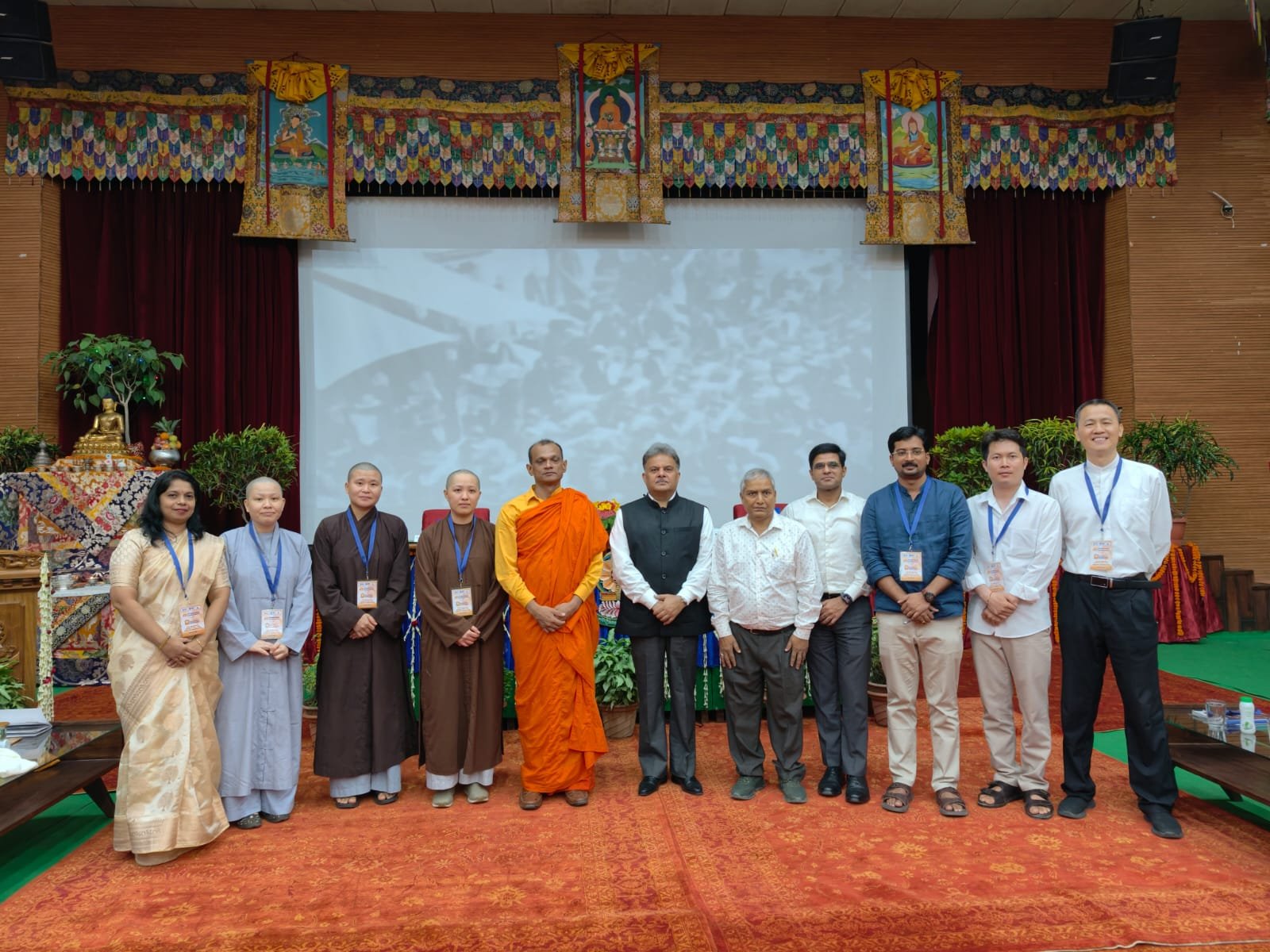
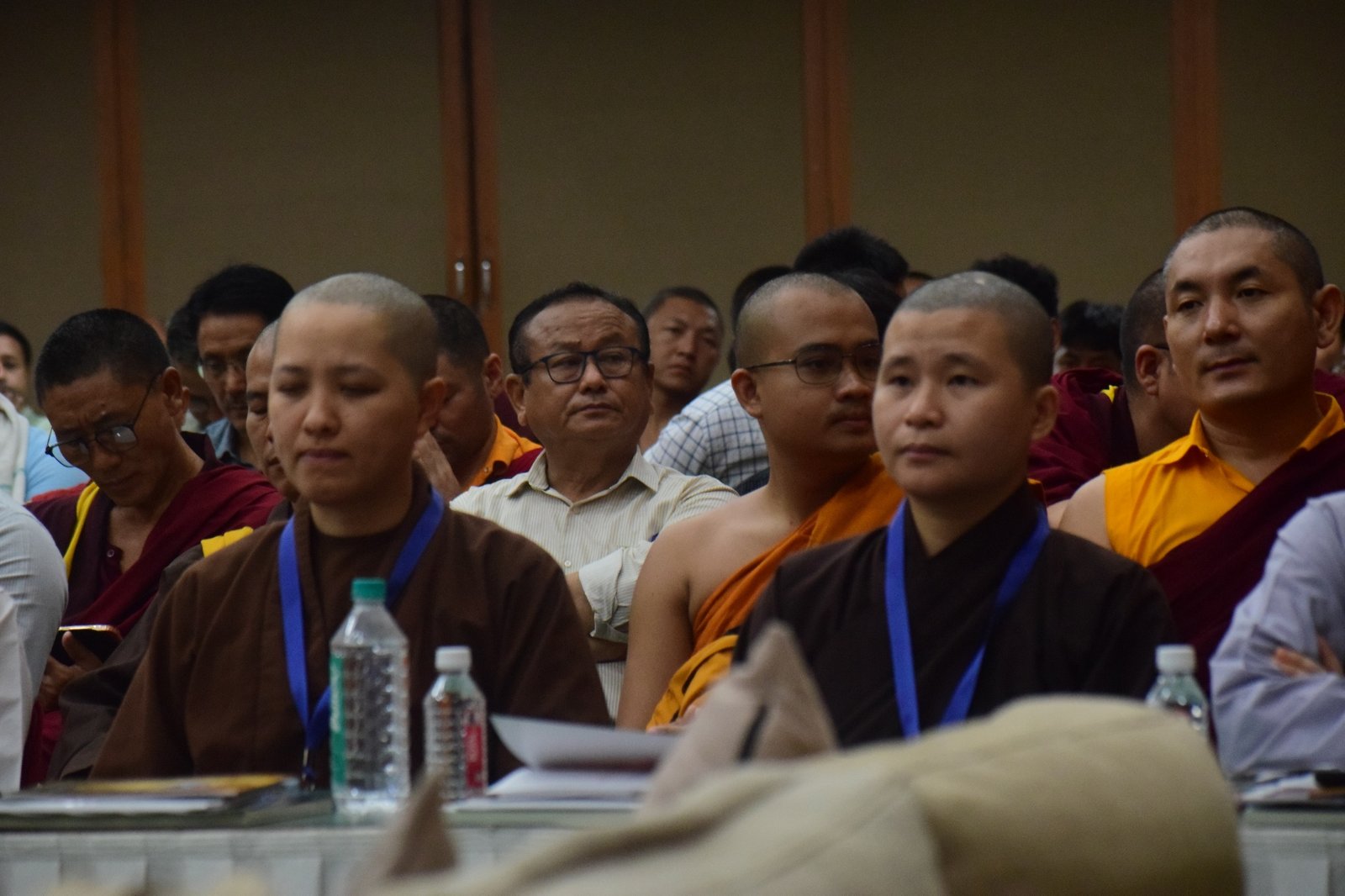
The International Buddhist Confederation (IBC) in collaboration with the Ministry of Culture, Government of India, and the Central Institute of Higher Tibetan Studies (CIHTS), Sarnath, inaugurated the 4th International Conference of Young Buddhist Scholars under the theme “The Buddha’s Middle Path for Today’s Generation.” The conference brought together young scholars, academics, practitioners, and delegates from India, Thailand, Myanmar, Vietnam, Sri Lanka, Taiwan, and Laos, for a day of scholarly exchange on the contemporary relevance of the Buddha’s teachings.
The conference was held at Athisha Hall, CIHTS, and featured three panel discussions exploring the philosophical, ethical, psychological, and contemplative dimensions of the Middle Path and its relevance to present-day challenges.
Welcoming the delegates, Ven. Shartse Khensur Jangchup Choeden Rinpoche, Secretary General, IBC, highlighted the importance of bringing young scholars and practitioners onto a shared platform for dialogue and inquiry. He observed that at a time when the world faces uncertainty and conflicts, the Buddha’s Middle Path offers a timeless framework for peace, harmony, and balanced action. Recalling Hon’ble Prime Minister Shri Narendra Modi’s message at the United Nations that “India has given Buddha, not Yuddha”, he emphasised the responsibility of Buddhist institutions to transform this vision into meaningful action.
The Chief Guest, Prof. Ajit Kumar Chaturvedi, Vice Chancellor, Banaras Hindu University, appreciated the international character of the gathering and noted the significance of discussing the Buddha’s teachings at Sarnath, where the First Sermon was delivered over 2,500 years ago. He explained that the Middle Path extends beyond individual practice and offers guidance for societies and nations by encouraging dialogue, negotiation, and solutions that avoid extremes. He stressed that finding the Middle Path requires conscious effort and collective responsibility.
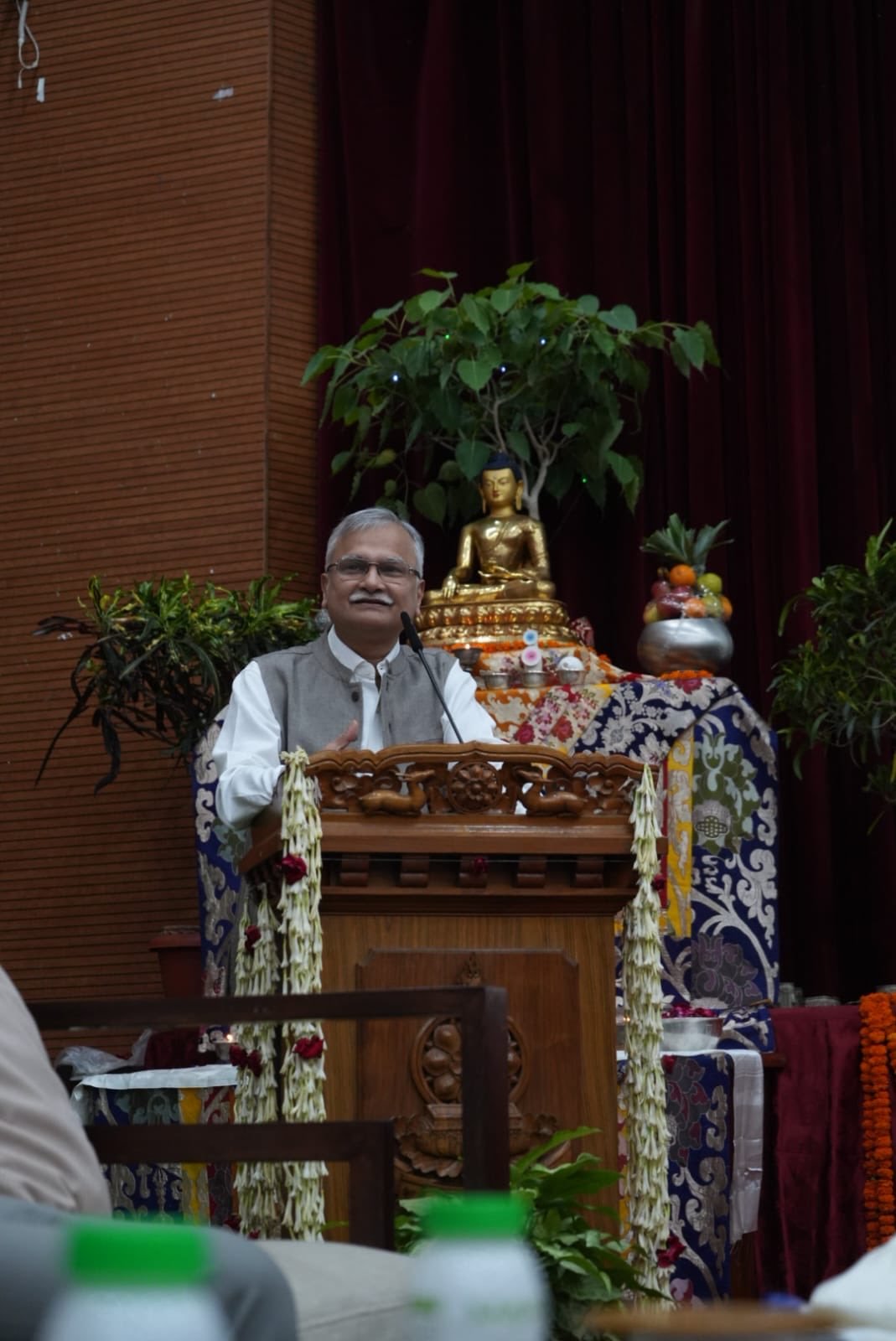
Reflecting on the continued relevance of the Buddha’s teachings, he noted that every generation must revisit and reinterpret timeless wisdom according to contemporary needs. He observed that while the teachings of great spiritual teachers have endured for centuries, their deeper meanings continue to unfold through renewed study and inquiry. He called the Middle Path a conscious effort relevant to political discourse and international relations, not just individual conduct.
In his special remarks, Ven. Prof. Wangchuk Dorjee Negi, Vice Chancellor, CIHTS, highlighted the Buddha’s teaching of “come and see for yourself”, emphasising inquiry, reasoning, and direct experience. Referring to the Four Noble Truths, the Noble Eightfold Path, and the threefold training of morality, concentration, and wisdom, he explained how the Middle Path provides a balanced approach to personal and collective challenges.
Speaking on Pratītyasamutpāda (Dependent Origination), he noted that nothing exists in isolation and that every individual and achievement depends on the contributions of others. Recognising this interdependence, he said, allows societies to cultivate responsibility, compassion, and harmony. Connecting Buddhist principles with modern concerns, he referred to the importance of mindful consumption and Mahatma Gandhi’s principle of focusing on “need, not greed” while emphasising the universal potential for awakening inherent in all beings.
Delivering the closing remarks of the inaugural session, Shri Raghav Prasad Bhatnagar, Director General, IBC, described the conference as a meeting point of tradition and enquiry. He highlighted that the Buddha encouraged questioning, examination, and reflection rather than blind acceptance, and urged young scholars to carry forward this spirit of disciplined inquiry.
Addressing the youth as future custodians of Buddha Dhamma, he called upon them to become “Dhamma Setu” (bridges of the Dhamma)—connecting ancient wisdom with contemporary society. He emphasised that the Middle Path is not a compromise but an act of wisdom, offering guidance in balancing consumption with responsibility and technology with mindfulness. In a world facing climate change, stress, and digital distraction, he observed that the Buddha’s teachings provide a path towards individual well-being and collective harmony regionally and globally.
Exploring the Middle Path in Contemporary Contexts
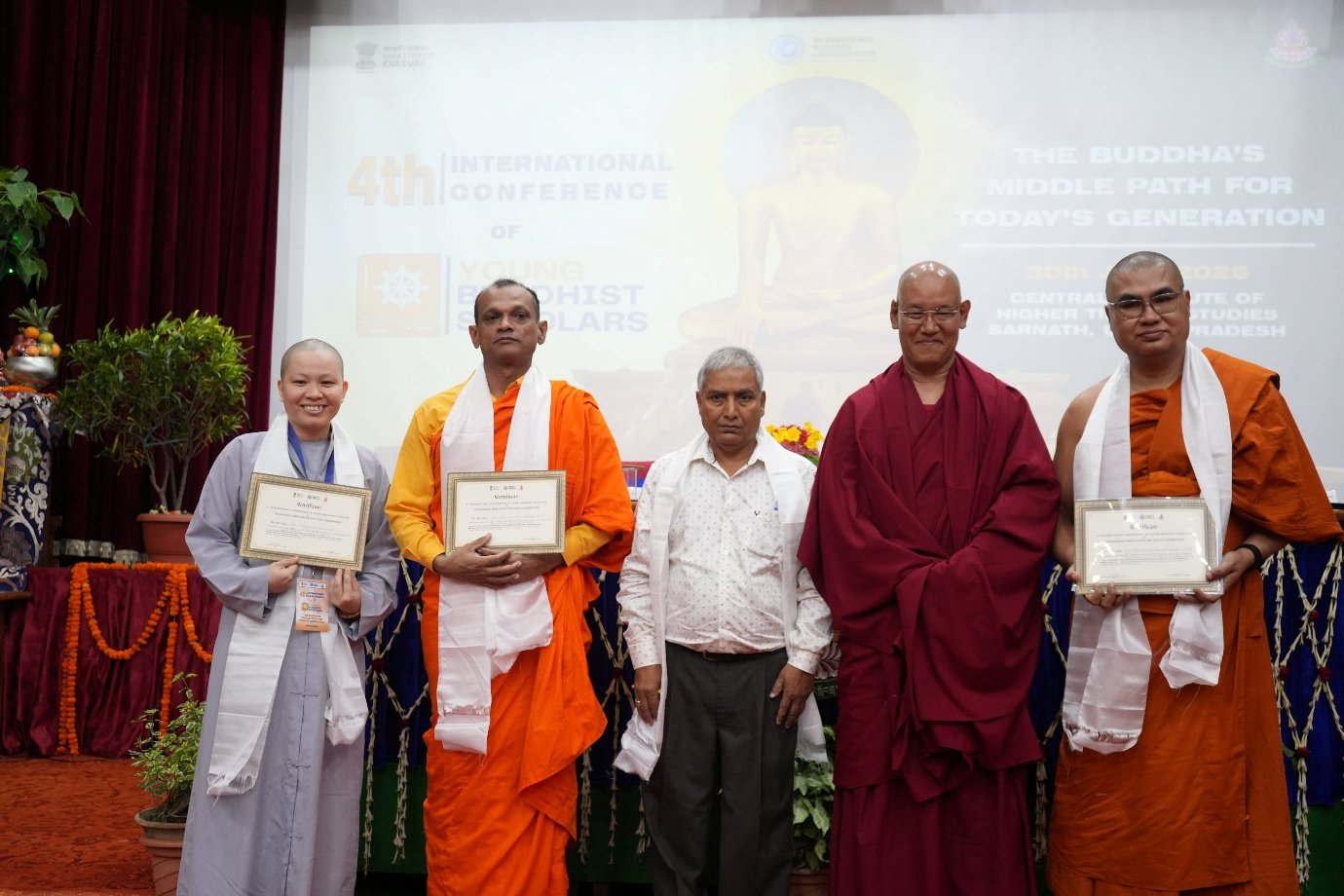
The first panel, “Philosophical & Ontological Dimension”, examined the Middle Path, Four Noble Truths, and Dependent Origination as a framework for understanding suffering, reality, and liberation. Discussions explored the relevance of Buddhist teachings in addressing mental health, consumerism, environmental responsibility, and social harmony. The panel also examined the Noble Eightfold Path as an ethical model for responsible digital citizenship among young people.
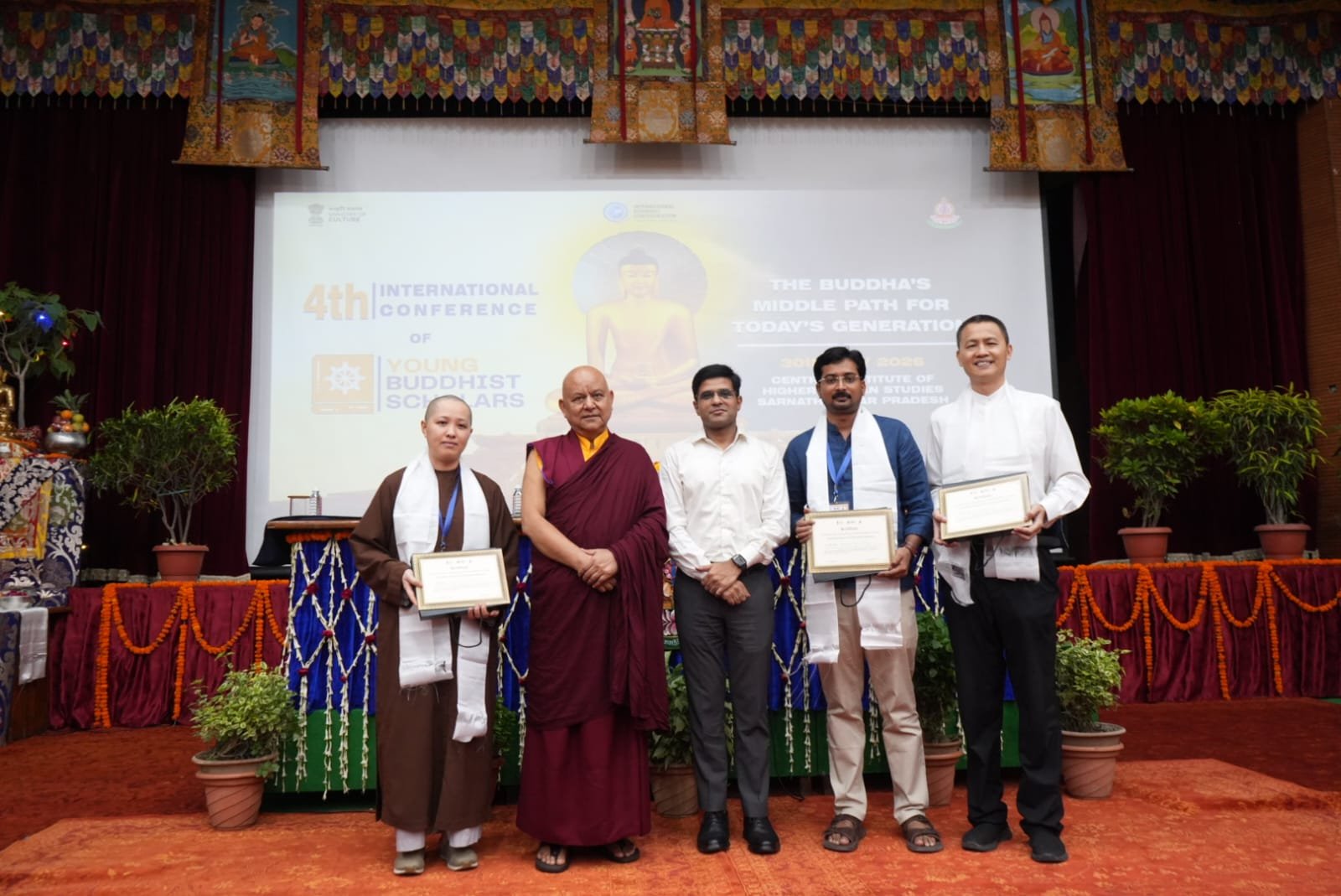
The second panel, “Ethical & Practical Dimension” explored the Middle Path through ethical conduct, mindful communication, and responsible choices. Discussions focused on sustainable consumption, ecological responsibility, and Buddhist approaches to overcoming digital distraction through mindfulness and restraint.
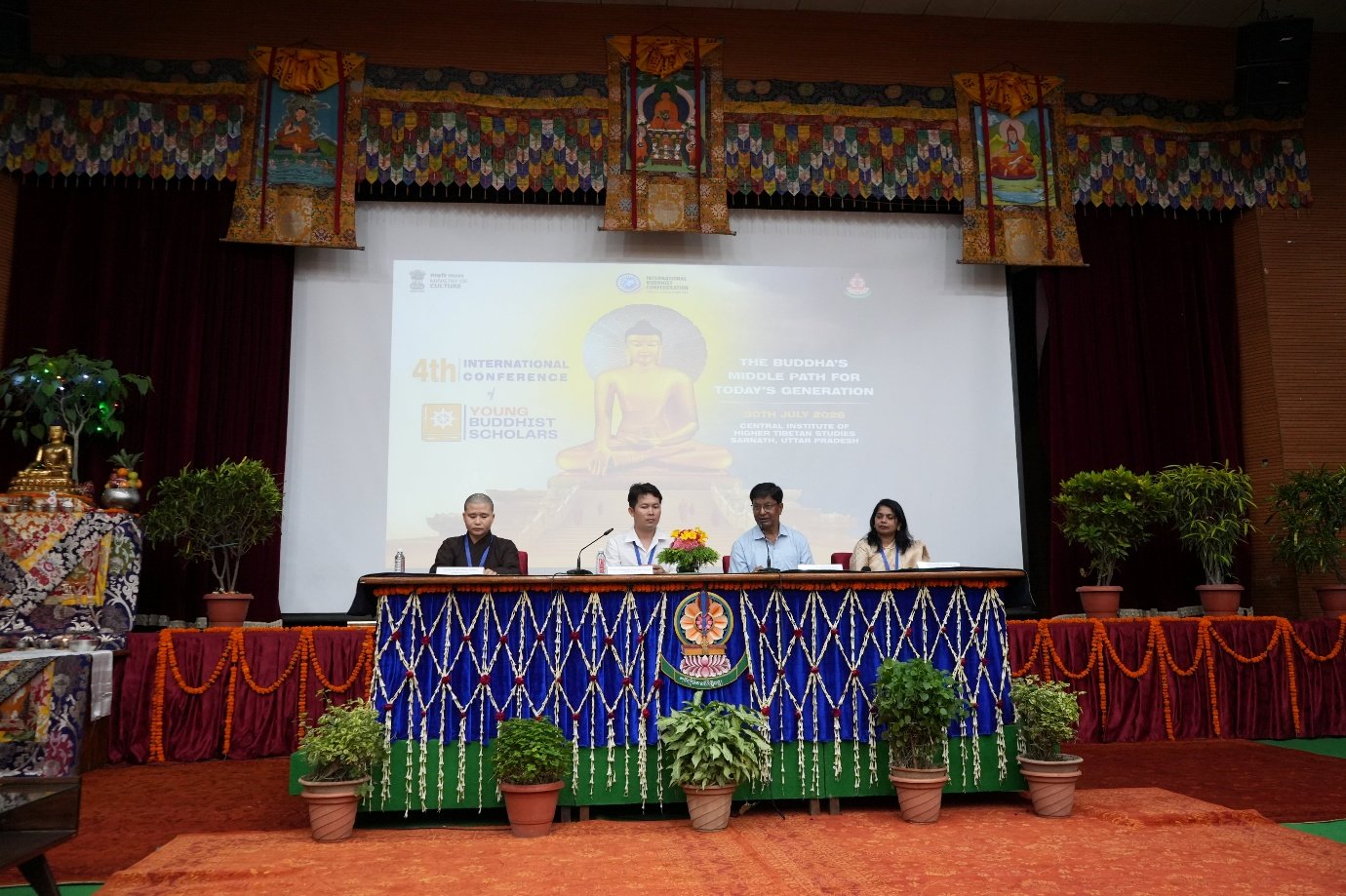
The final panel, “Psychological & Contemplative Dimension,” examined Buddha Dhamma as a holistic approach to mental well-being. Discussions highlighted mindfulness, compassion, wise attention, and the integration of wisdom, morality, and mental discipline in addressing contemporary challenges including stress, anxiety, misinformation, and emotional imbalance.
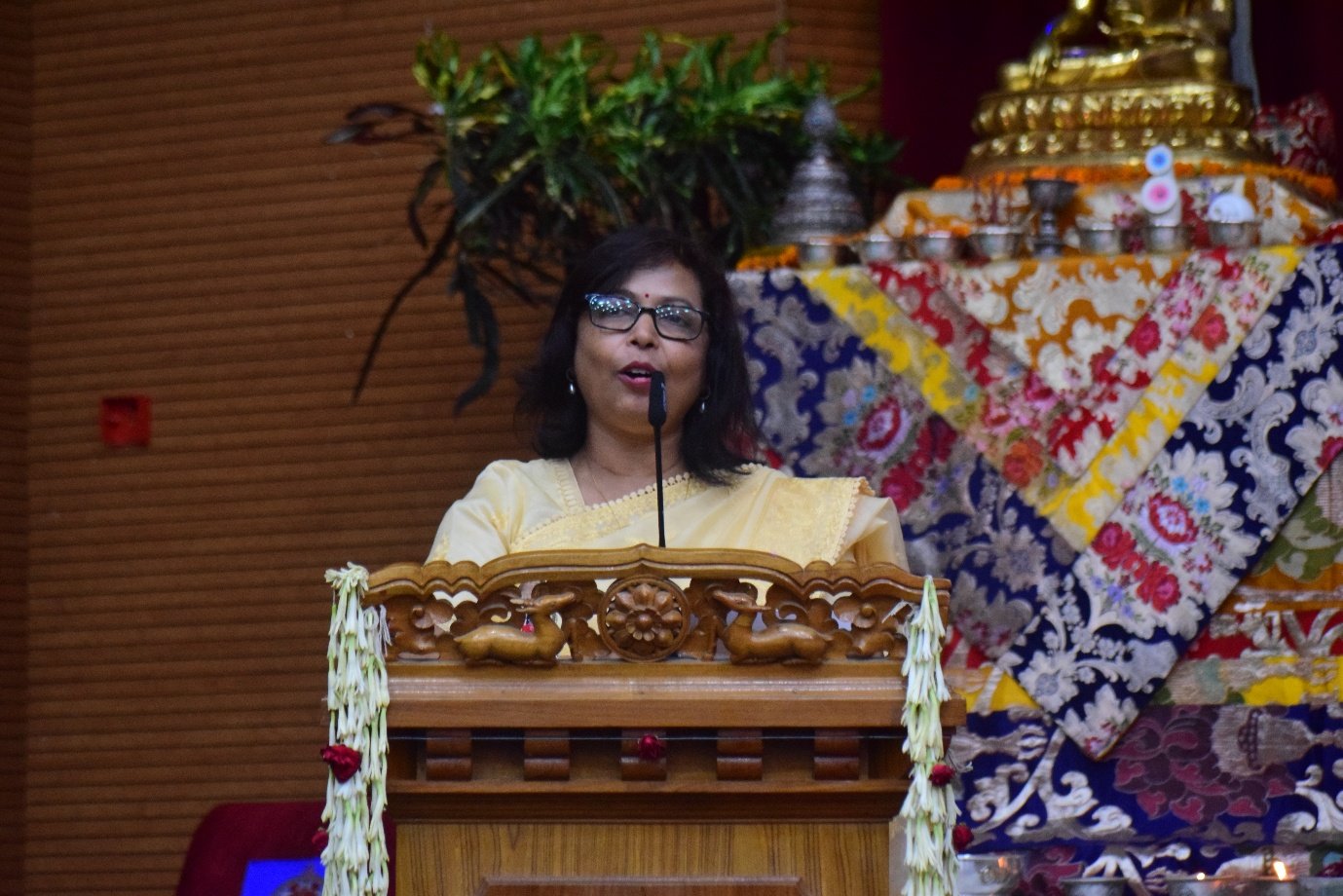
The conference concluded with a Vote of Thanks by Dr. Sunita Chandra, Registrar, CIHTS, who expressed gratitude to all participants and acknowledged the collaboration between CIHTS and IBC in fostering meaningful academic exchange among young Buddhist scholars.
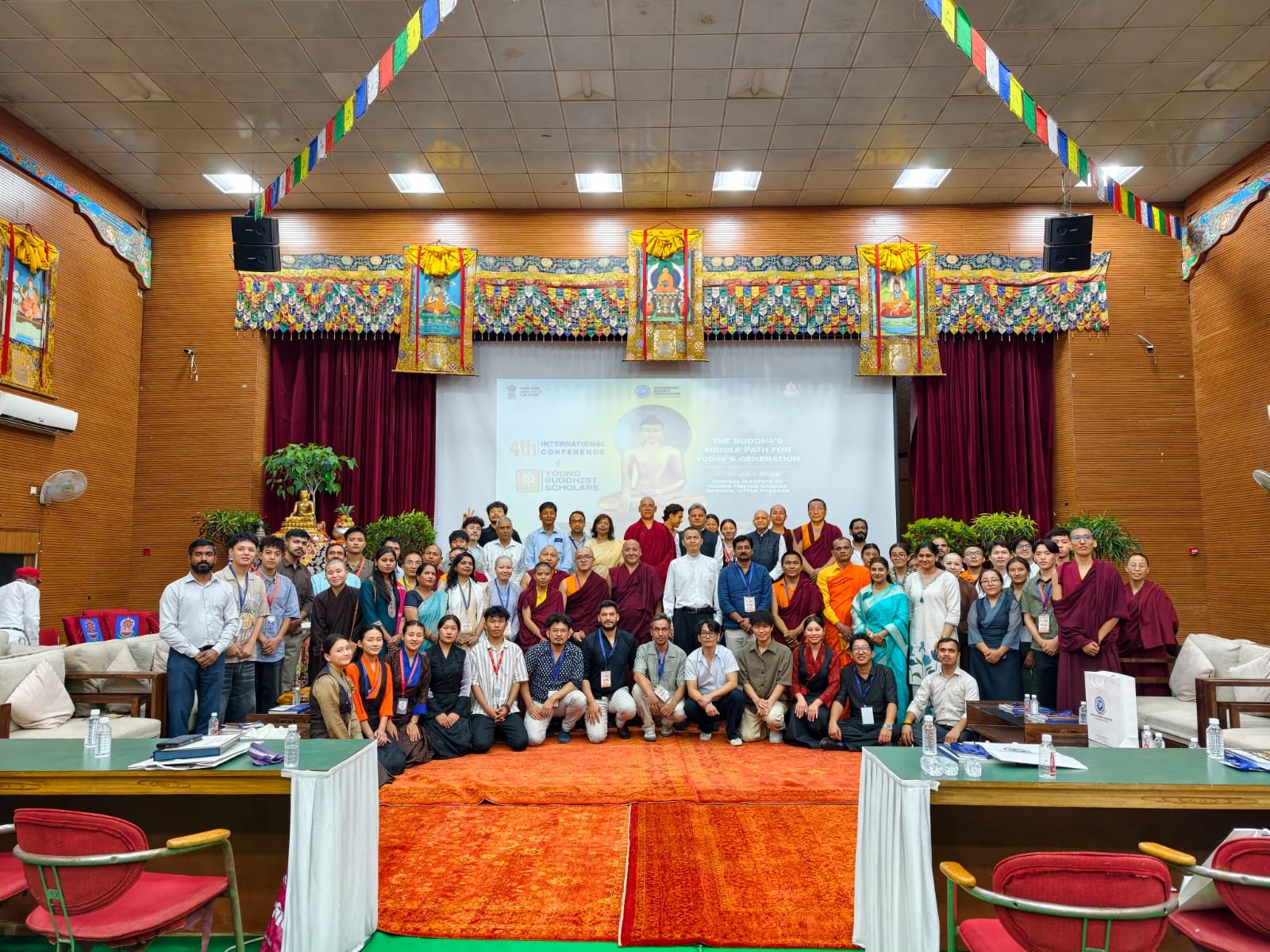
The 4th International Conference of Young Buddhist Scholars reaffirmed the enduring relevance of the Buddha’s Middle Path as a practical guide for the youth in their quest for wisdom, balance, compassion, and responsible engagement in today’s rapidly changing world.