-
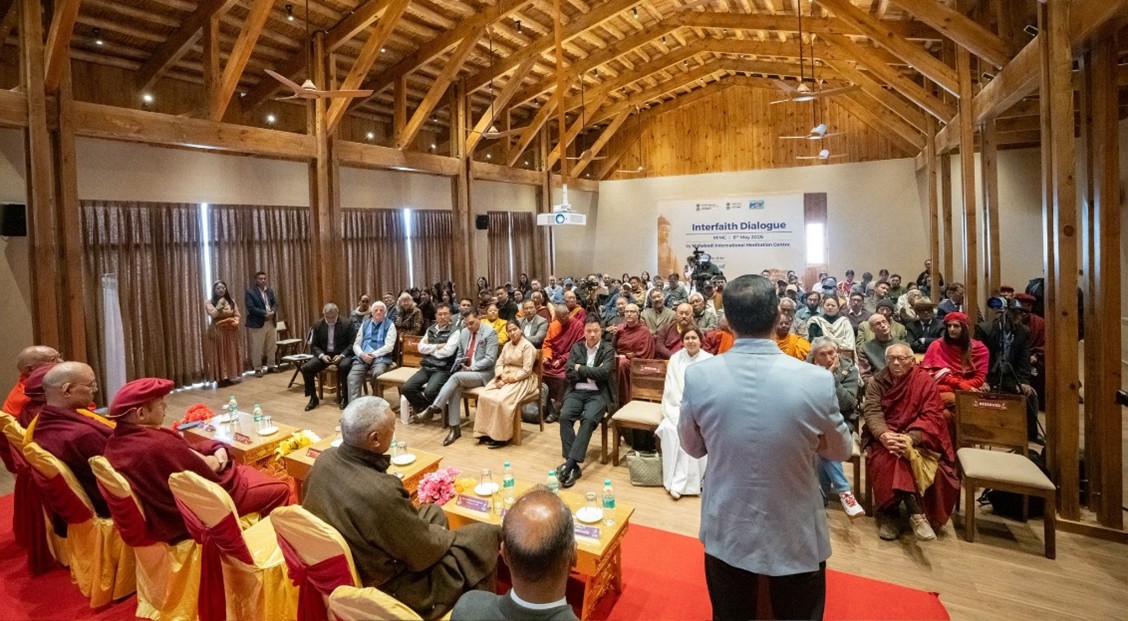
Contribution of Himalayan Buddhism to the Spiritual and Cultural Heritage of India and Beyond

The International Conference on ‘Contribution of Himalayan Buddhism to the Spiritual and Cultural Heritage of India and Beyond’ was held on 3 May 2026 at the New Meditation Hall, Mahabodhi International Meditation Centre (MIMC), Leh.
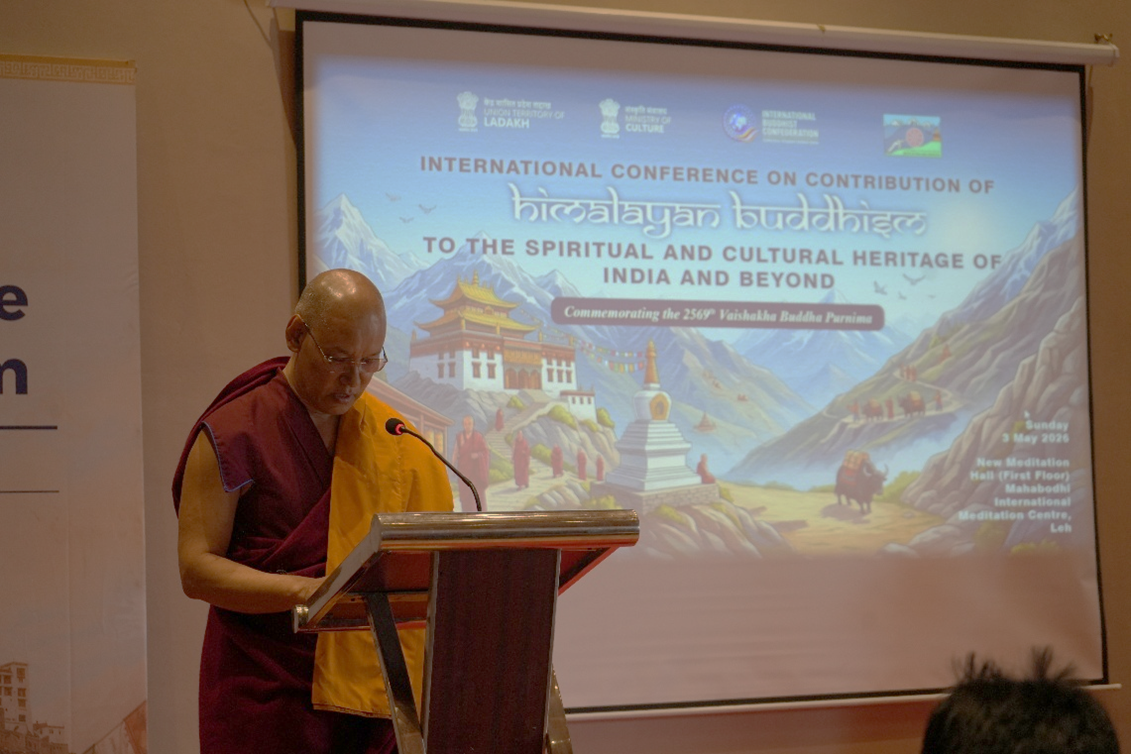
A solemn Mangalapath by venerable monks and the ceremonial lighting of the lamp created a spiritually uplifting atmosphere for the day’s deliberations. Shartse Khensur Rinpoche Jangchup Choeden, Secretary General of the IBC, delivered the welcome address, highlighting the essence of the conference as a celebration of the enduring spiritual, cultural and civilisational contributions of Himalayan Buddhism to India and the world.
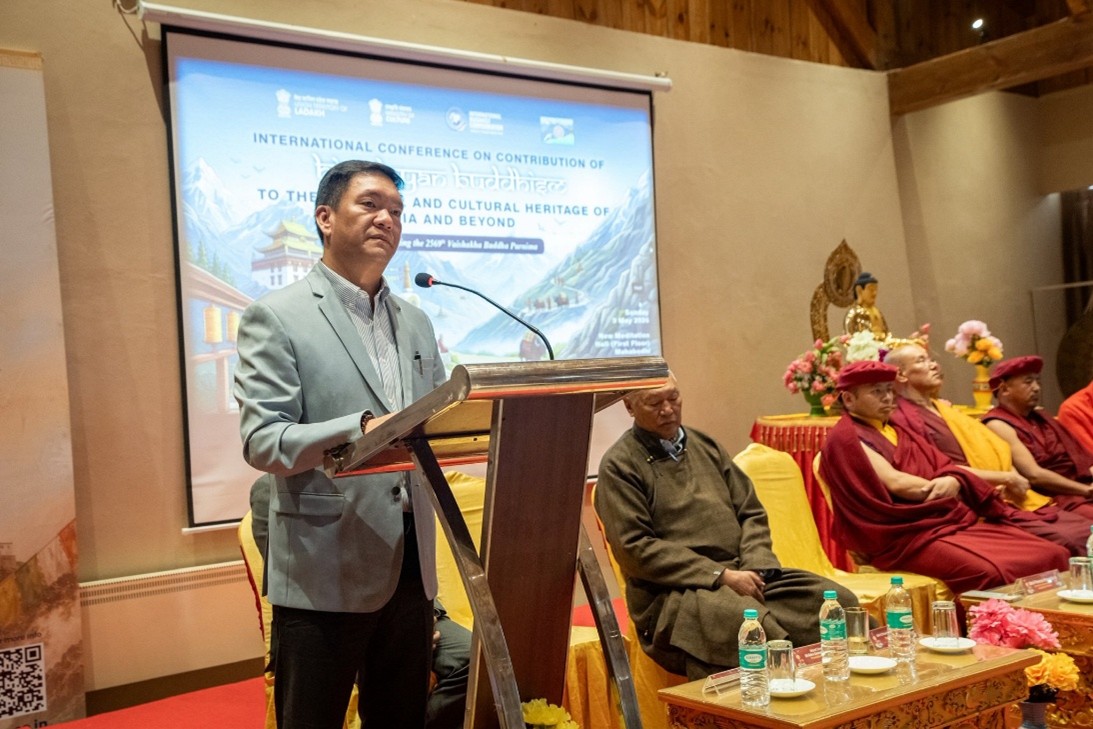
Other distinguished dignitaries included Chief Guest Shri Pema Khandu, Hon’ble Chief Minister of Arunachal Pradesh; Guest of Honour, H.E. Thuksay Rinpoche, Spiritual Master of the Drukpa Lineage, Ladakh; Shri S. P. Singh Baghel, Hon’ble Minister of State for Fisheries, Animal Husbandry and Dairying, Government of India; and Shri Jaiveer Singh, Hon’ble Minister of Tourism and Culture, Government of Uttar Pradesh. They highlighted the role of Himalayan Buddhism in preserving peace, compassion, coexistence, and cultural resilience in a rapidly changing world, emphasising that preserving Buddhist heritage was not only a cultural responsibility, but also a moral commitment towards sustaining harmony and spiritual wisdom in contemporary society.
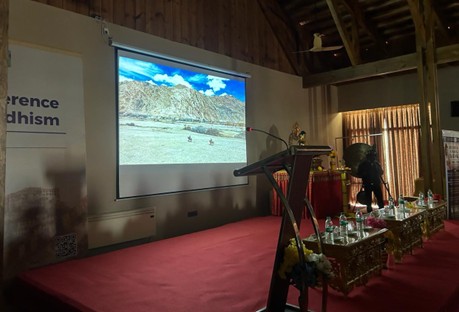
Screening of the IBC film ‘Ladakh – The Land of High Passes’ and the release of the book The Living Legacy of the Tathagatha, further reinforcing the significance of Ladakh as a vital centre of Buddhist heritage and civilisational continuity.
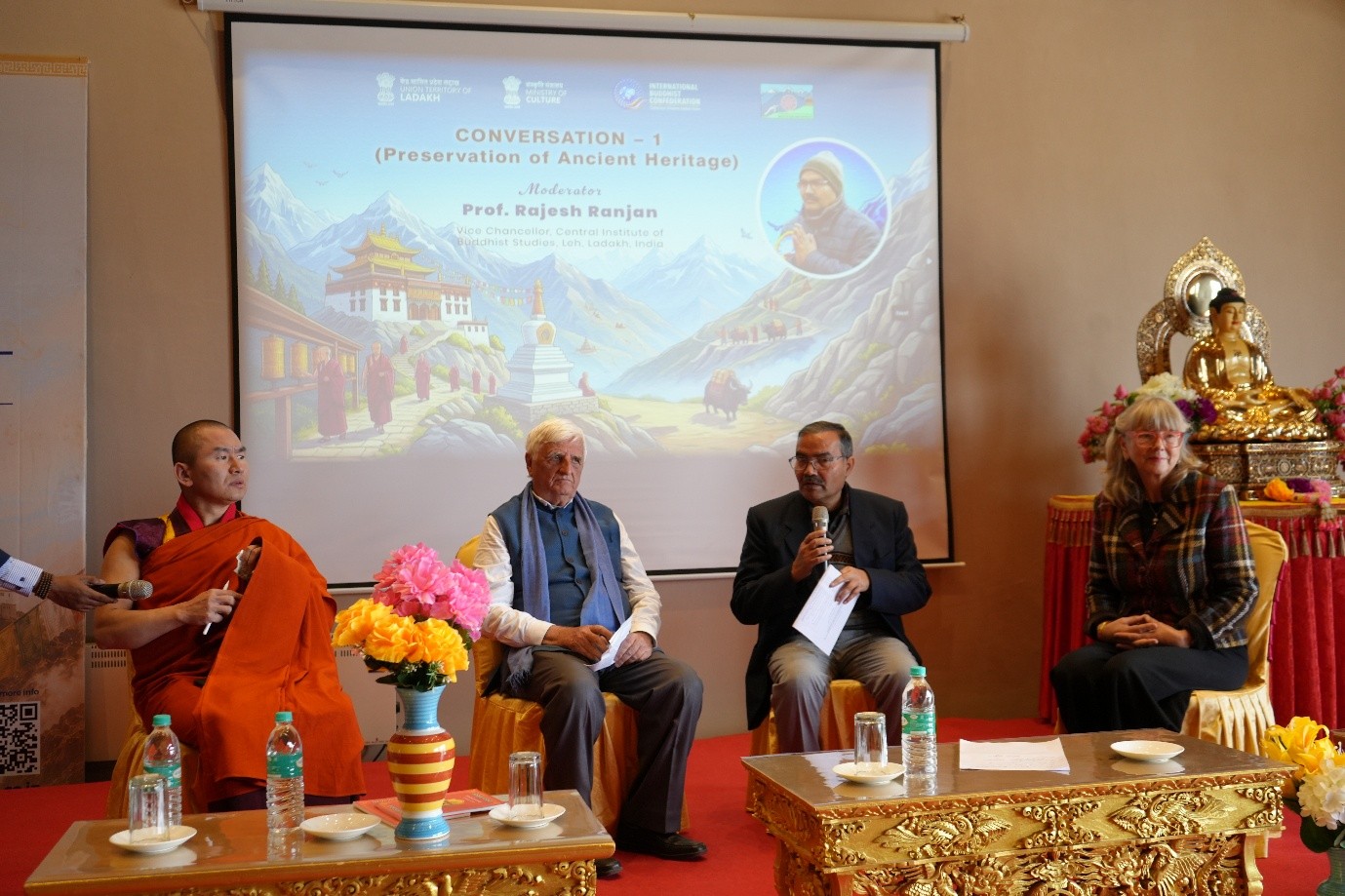
Three exceptionally rich conversations followed. The first conversation was on the theme ‘Preservation of Ancient Heritage’. The speakers offered nuanced perspectives on several issues: how Himalayan communities had historically succeeded in preserving centuries-old traditions while adapting to social and economic transformations, especially the need for monasteries, and young monks, to recognise this; how climate change, urban migration, tourism pressures, and unchecked modernization had created new challenges for heritage preservation, at the same time underlining innovative conservation technologies could be harmonized with traditional architectural practices without compromising authenticity; the linkage between ecological ethics and Buddhist principles of harmony and interdependence; and responsible heritage-based tourism models that would empower local communities rather than commercialise sacred spaces.
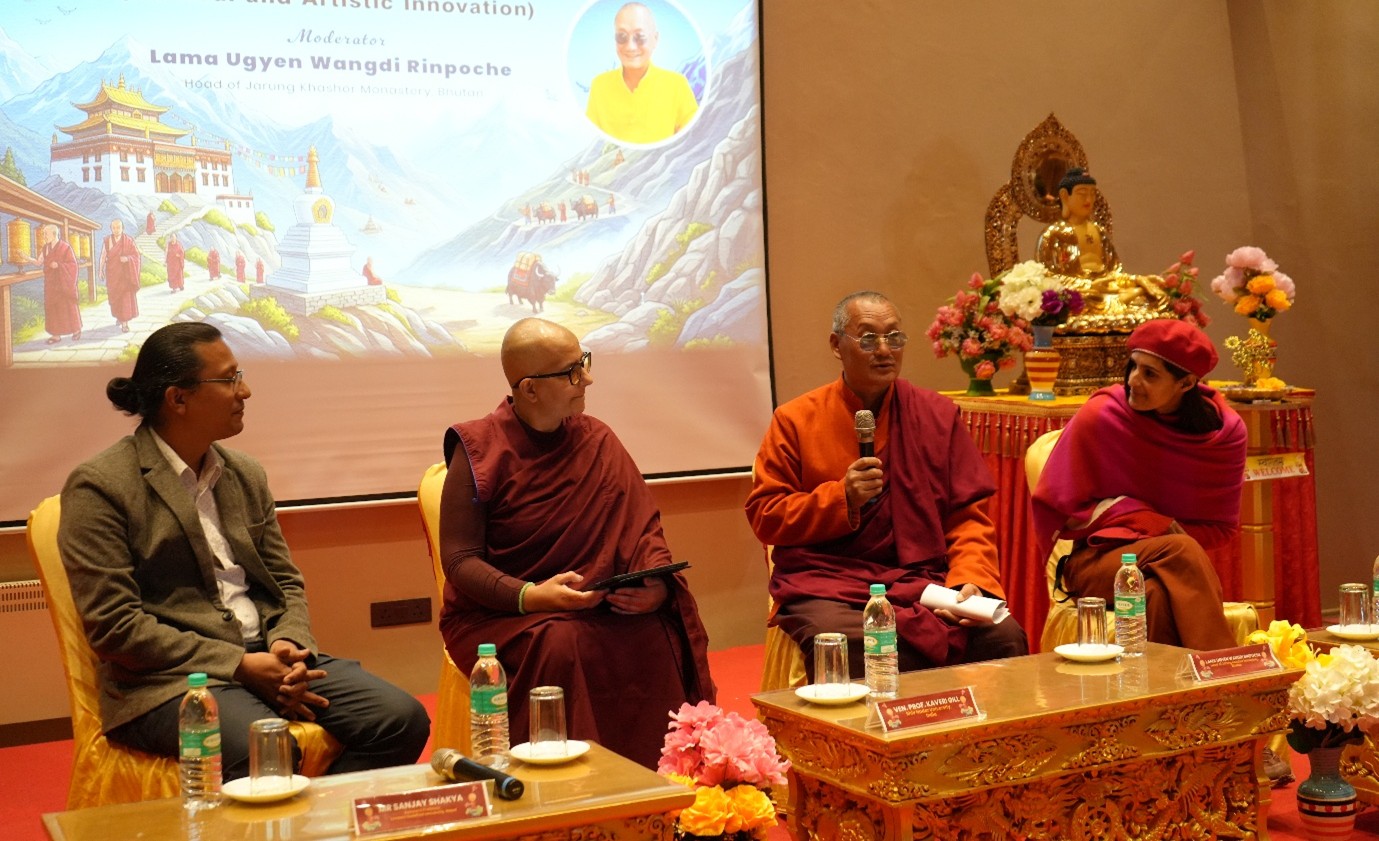
The second conversation on ‘Cultural and Artistic Innovation’ highlighted that Himalayan Buddhism had inspired not only spiritual practices but also rich traditions of visual arts, architecture, ritual performance and creative expression. The speakers reflected on the evolution of traditional art forms such as thangka painting, wood carving, ritual dance, and sacred music, explaining how these practices had successfully adapted to modern artistic contexts while retaining their spiritual essence; how centuries of interaction with neighbouring cultures had enriched Himalayan artistic traditions rather than diluting them; how mountains, landscapes and climate of the Himalayas had shaped artistic imagination and aesthetic sensibilities; and, important in the current context, technology and preservation through digital documentation, virtual archives, and technological innovation.
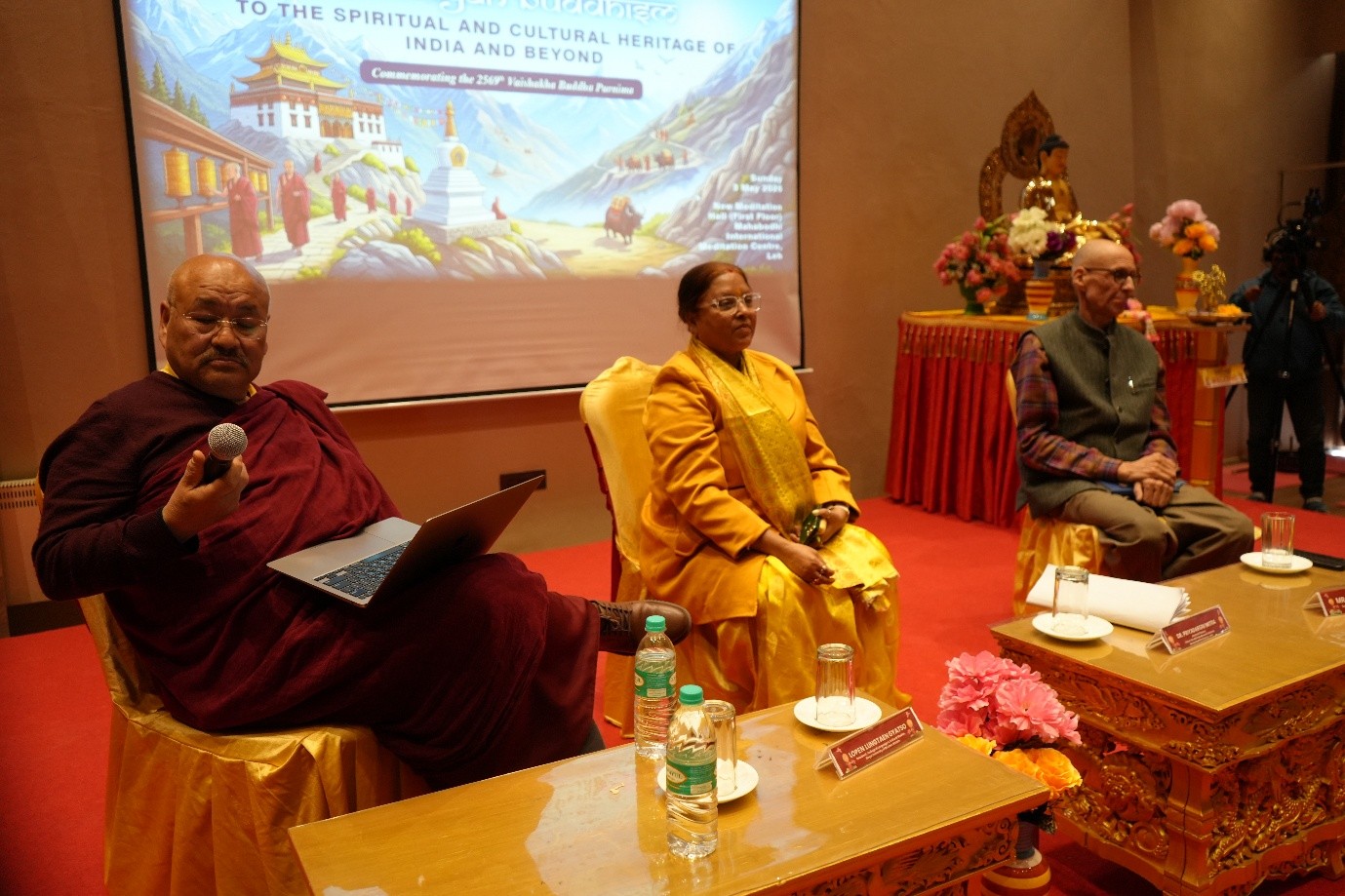
The third conversation centred on ‘Intellectual and Ethical Systems’. The speakers elaborated on how Buddhist and indigenous Himalayan philosophies had shaped ethical frameworks governing daily life, community relations, environmental stewardship, and spiritual practice; the continued relevance of Buddhist teachings such as mindfulness, compassion, and non-violence in addressing contemporary social anxieties and ethical dilemmas; the rigorous systems of philosophical debate, meditation, logic, medicine, and ethical learning that had been sustained across centuries; and the historical interactions between Himalayan intellectual traditions and Indian, Chinese, and Western thought systems.
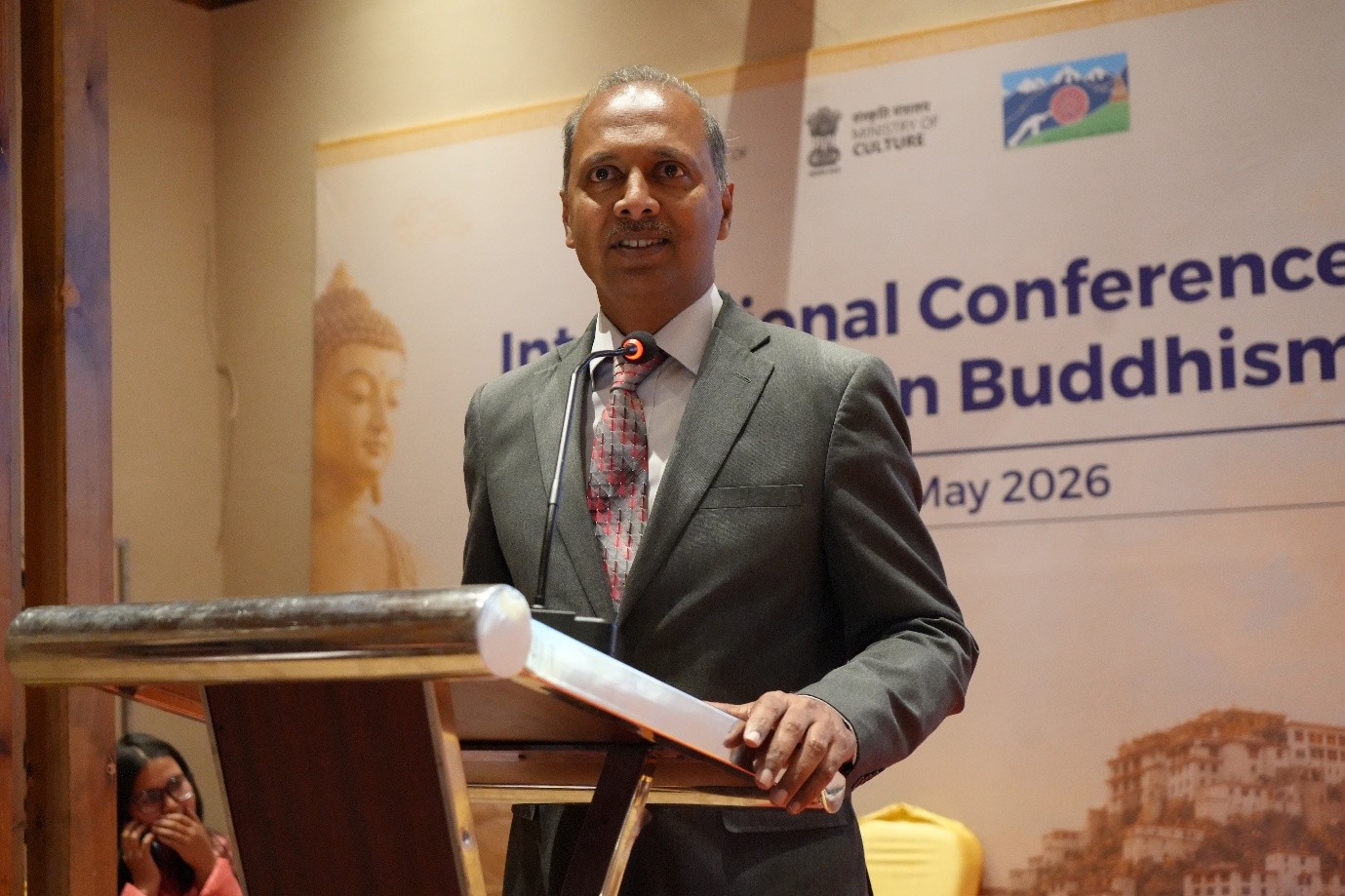
At the conclusion of the conversations there was a Special Address by Secretary (Tourism & Culture), UT Ladakh Administration, Shri Sanjit Rodrigues. Focusing on ‘Spiritual Tourism & Global Significance,’ he described spiritual tourism in Ladakh as far deeper than conventional sightseeing or social-media-driven travel. Drawing from the example of Guru Padmasambhava, he noted that spirituality in Ladakh is not merely a tourist ‘feature’ but a complete way of life.
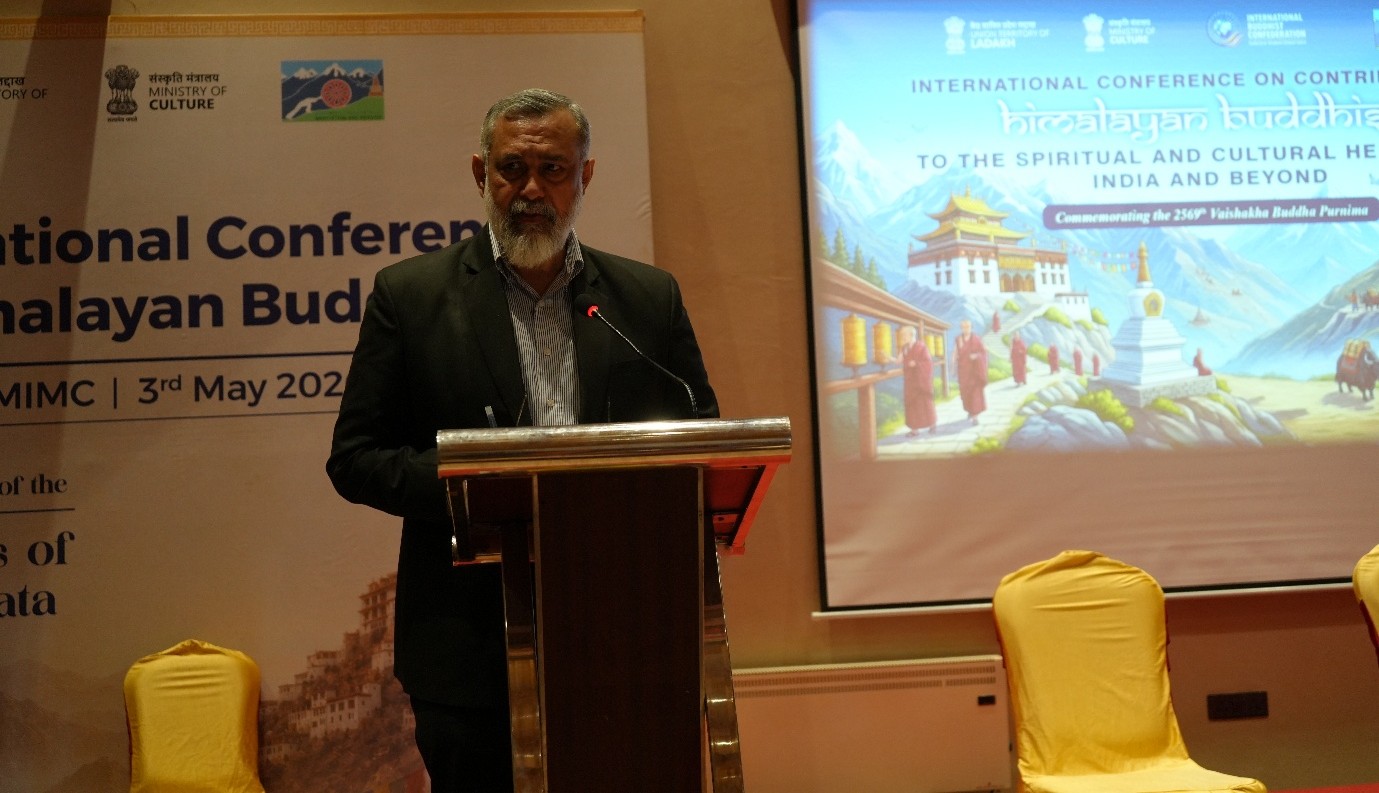
Finally, Director General IBC, Shri Abhijit Halder summarised the conference, reflecting on the challenges faced by the youth today, saying that platforms such as this conference provide opportunities to foster Dhamma in the region and beyond. In conclusion, Shri Halder highlighted the fact that the event was in commemoration of the 2569 Vaishakha Buddha Purnima Celebrations. He thanked the Mahabodhi International Meditation Centre for providing their exceptional facilities for conduct of the conference.
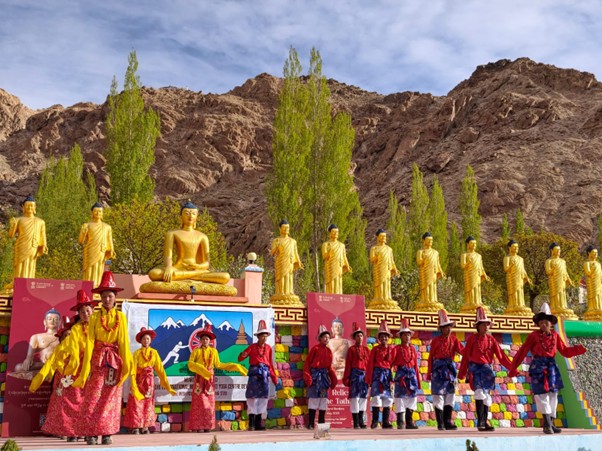
The conference effectively reaffirmed Ladakh’s role as a living centre of Himalayan Buddhist heritage and highlighted the continuing global relevance of Buddhist values. The conference concluded with a cultural performance by the students of MIMC.