-
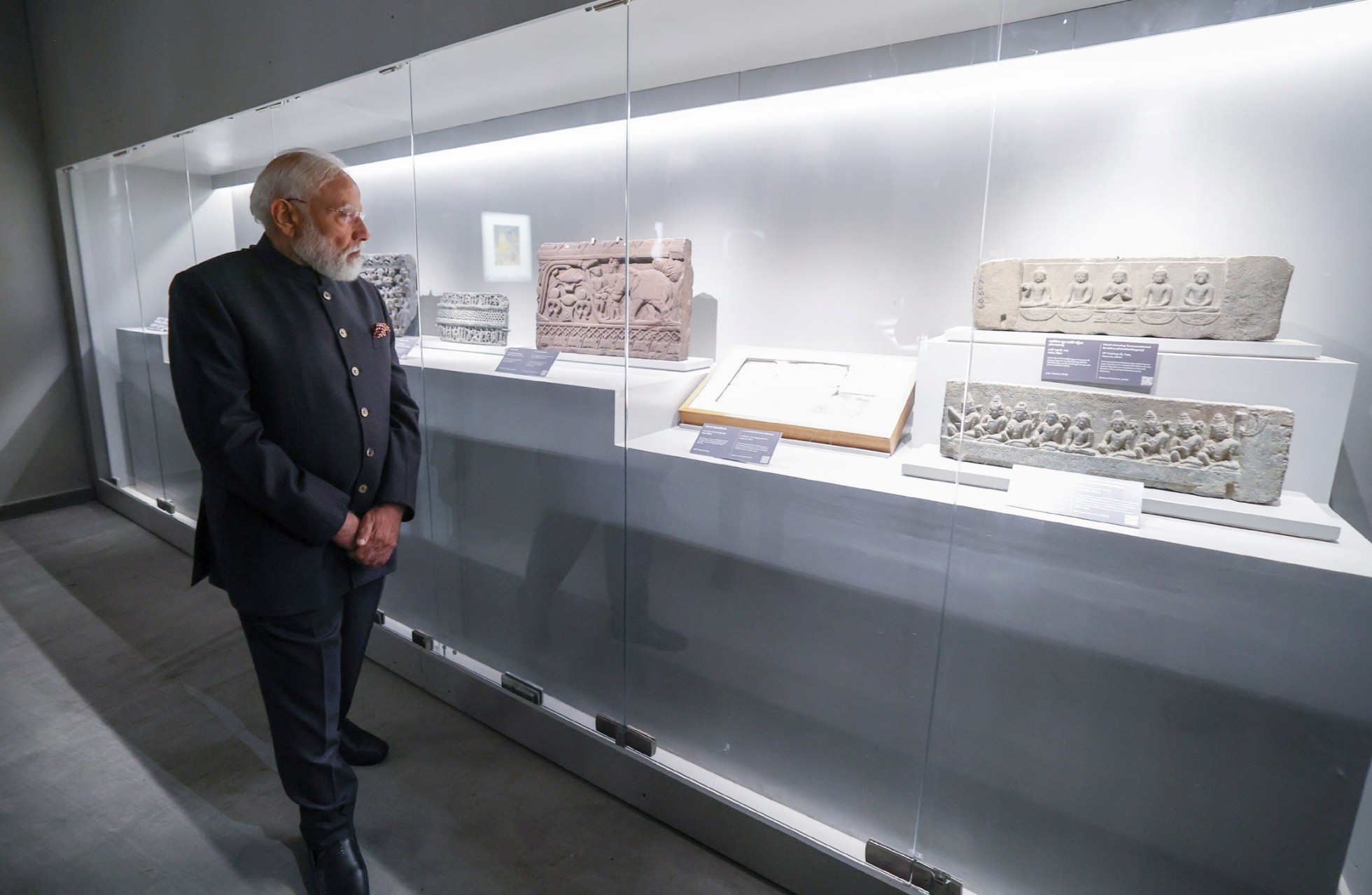
Grand International Exposition on - The Light and the Lotus: Relics of the Awakened One

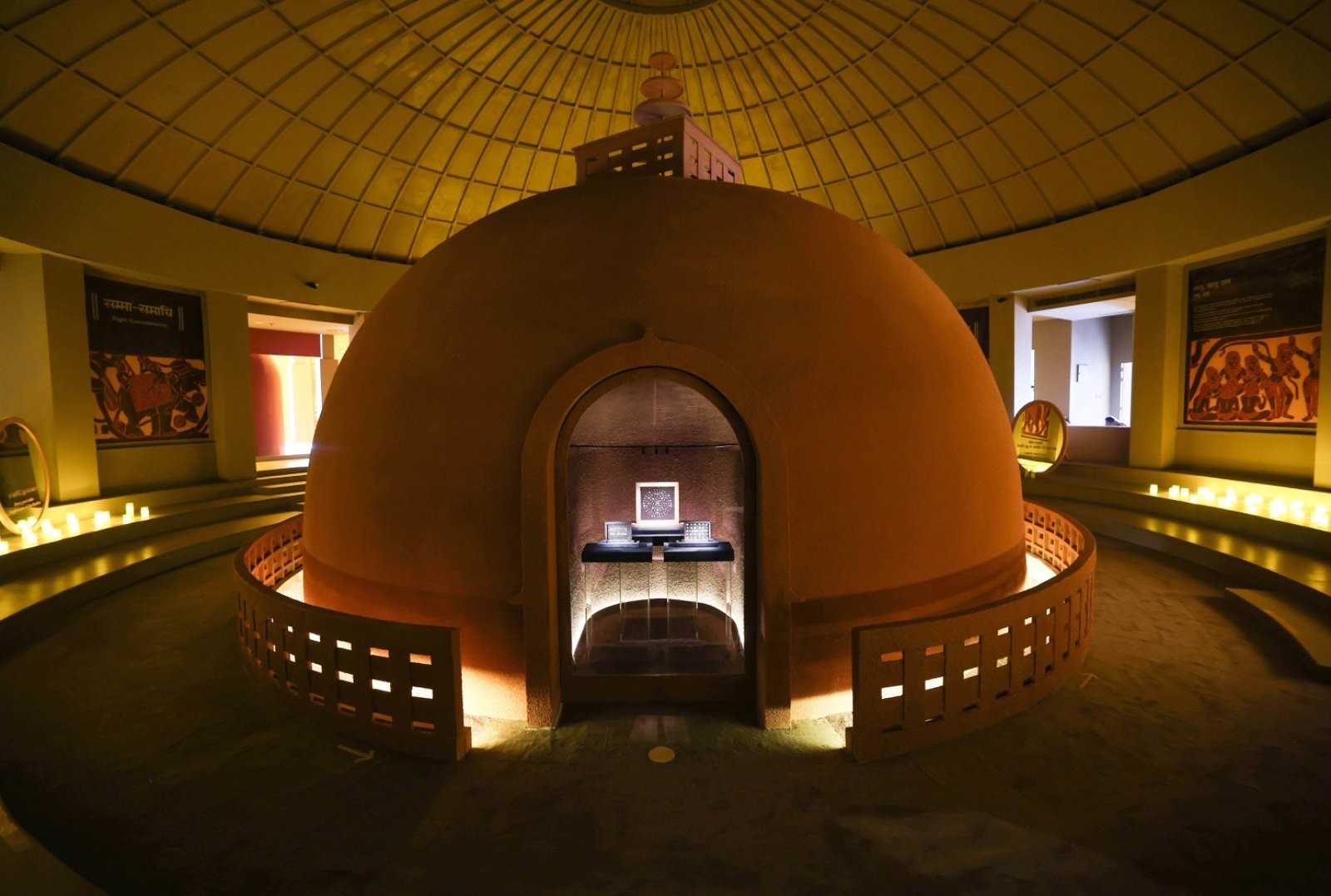
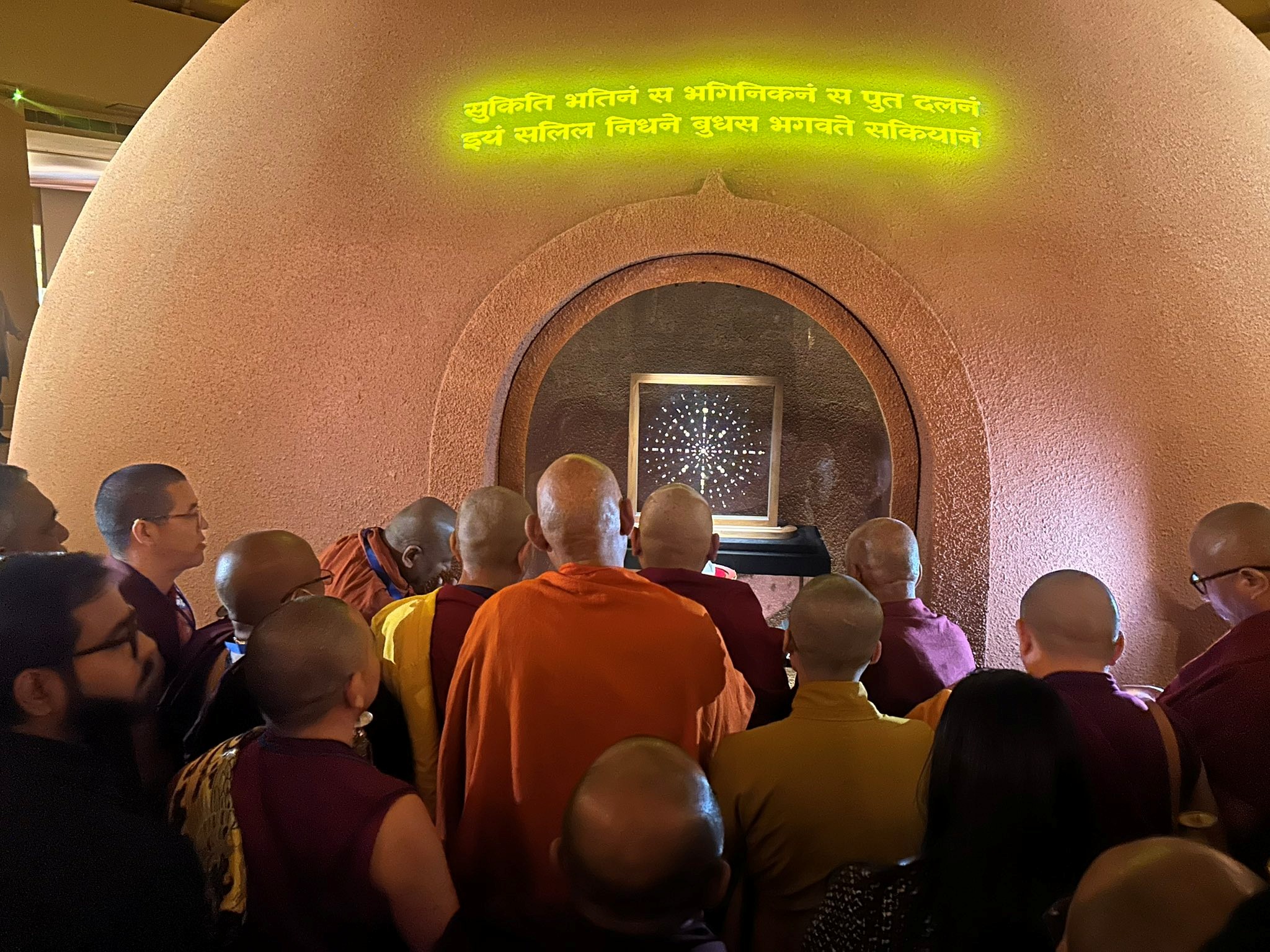
On 3 January 2026, the Grand International Exposition on “The Light and the Lotus: Relics of the Awakened One” was inaugurated by Shri Narendra Modi, Honourable Prime Minister of India, at the Rai Pithora Cultural Complex, New Delhi. The exposition marks the historic return of the Holy Piprahwa Jewel Relics of Lord Buddha to India after 127 years, following their successful repatriation in July 2025 after the Government of India led concerted efforts to halt their auction by Sotheby’s. The Sacred Relics have been opened for public veneration from 4 January 2026, for the next 6 months, offering a rare opportunity for devotees and visitors to witness one of the most revered treasures of the Buddha.
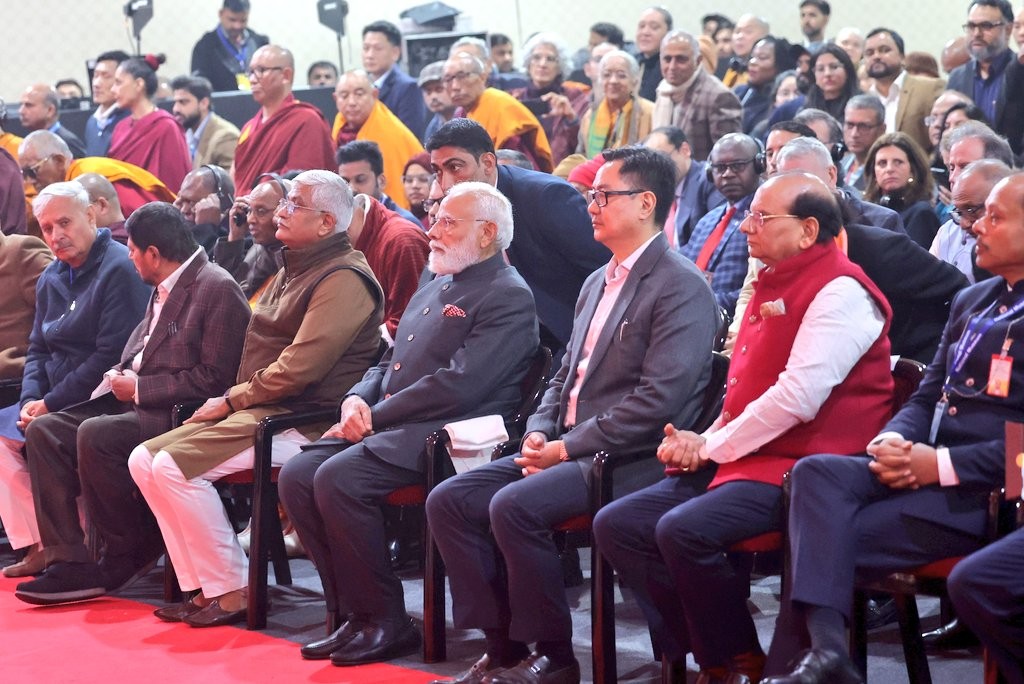
The inaugural ceremony was graced by Smt. Rekha Gupta, Chief Minister of Delhi; Shri Vinai Kumar Saxena, Lieutenant Governor of Delhi; Shri Gajendra Singh Shekhawat, Union Minister of Culture and Tourism; Shri Kiren Rijiju, Union Minister for Minority Affairs; Shri Rao Inderjit Singh, Union Minister of State (Independent Charge) for Statistics and Programme Implementation and Planning; and Shri Ramdas Athawale, Union Minister of State for Social Justice & Empowerment, among others. Senior representatives from diplomatic missions in New Delhi, including from Buddhist nations, were also present, underscoring the exposition’s global civilisational significance.
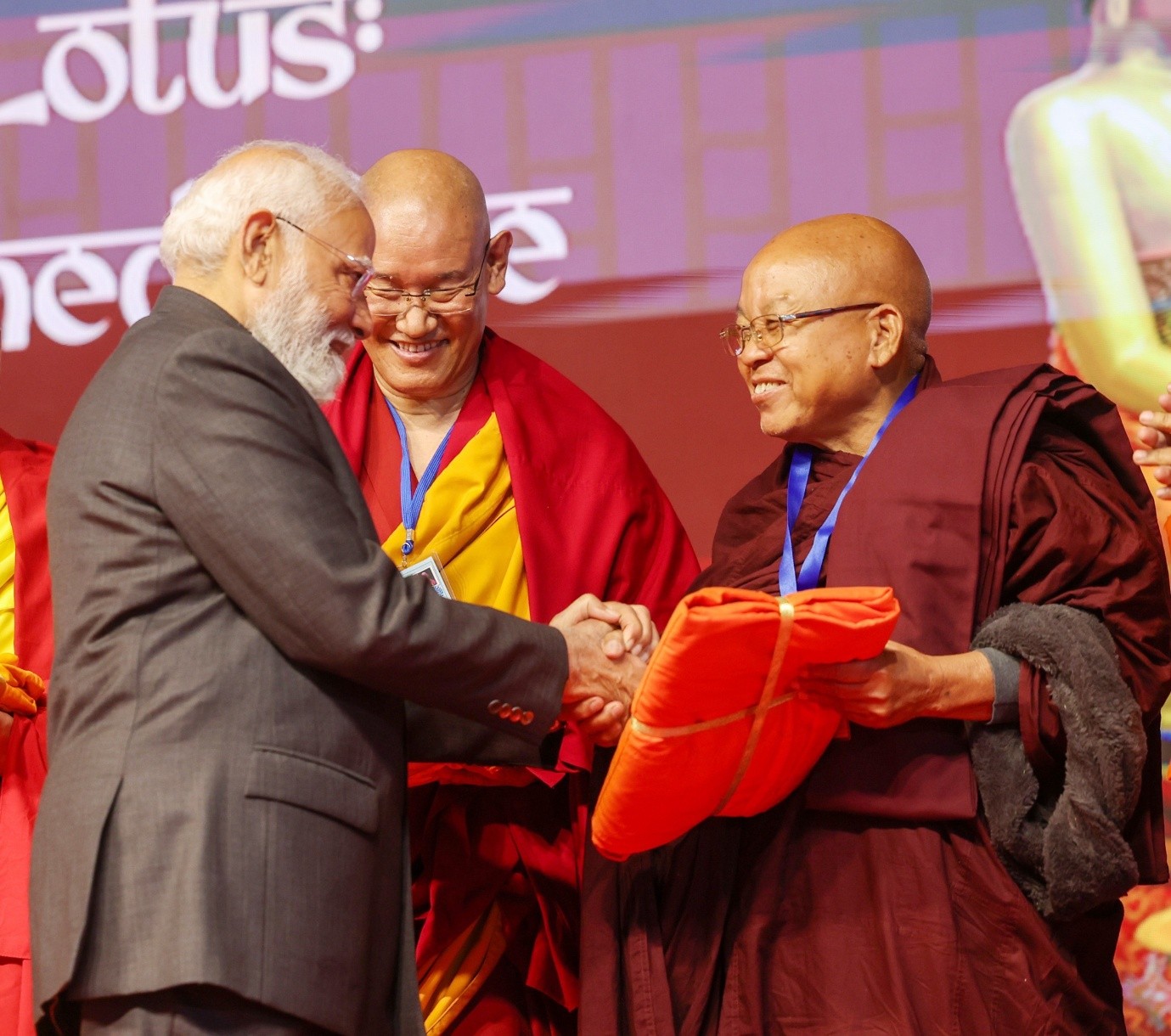
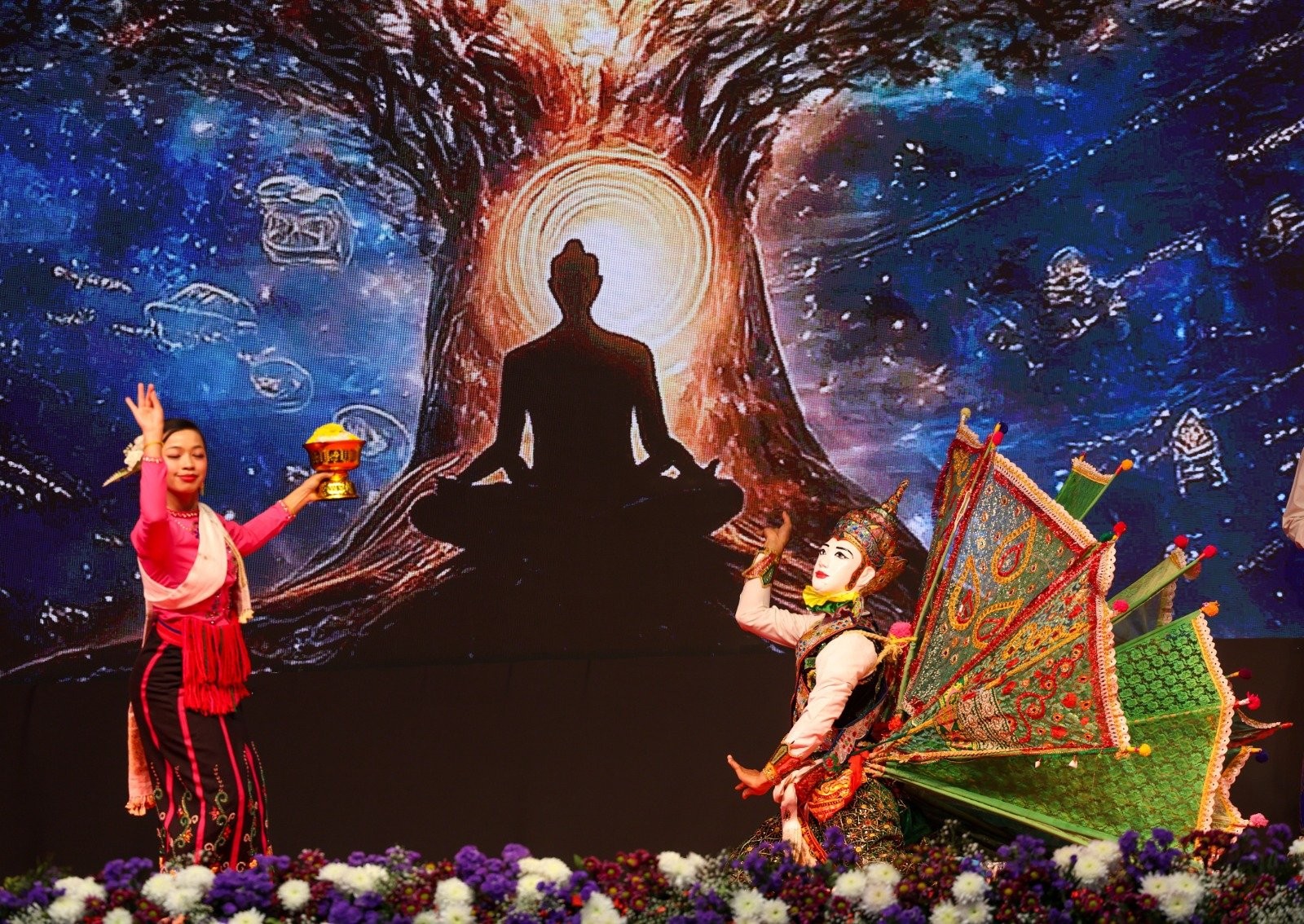
The ceremony featured two cultural performances: the Tai Khamti Dance (Peacock Dance) organised by the International Buddhist Confederation, which was performed by the Tai Khamti Heritage and Literature Society, Arunachal Pradesh, depicting the Canda Kinnara Jataka (485), and a contemporary dance by Anveshana Society for Performing Arts (ASPA) portraying key moments from the Buddha’s life such as invocation, inner conflict, and enlightenment. Both performances were warmly appreciated by the audience. During the ceremony, the Honourable Prime Minister offered Chivar to senior members of the Sangha, reaffirming the timeless Buddhist tradition of Dāna and reverence.
In his welcome address, Shri Gajendra Singh Shekhawat remarked that the exposition embodies the vision of Viksit Bharat, where cultural heritage forms the foundation of national progress. He noted that the Sacred Jewel Relics are deeply connected to the living tradition of Lord Buddha and the Buddha Dhamma, which originated in India and spread across Asia and the world, carrying a timeless message of peace and compassion. He described the return of the Sacred Relics as a profound cultural milestone and a symbol of the restoration of India’s civilisational pride. Acknowledging the Godrej Group, particularly Shri Pirojshah Godrej and family, he highlighted the importance of public–private partnerships (PPP model) in heritage preservation and outlined ongoing initiatives such as manuscript digitisation, archaeological conservation, and digital outreach programmes for youth.
In his keynote address, the Honourable Prime Minister reflected on the historical significance of Qila Rai Pithora, noting that within this ancient fortified site, a new spiritual chapter was being inscribed. He emphasised that while colonial rule caused not only political and economic loss but also cultural erosion. India resolved that the Sacred Relics of Lord Buddha, integral to its civilisational and spiritual identity, would not be treated as mere artefacts. Expressing gratitude to the Godrej Group, he acknowledged their role in enabling the Sacred Relics to return to the land of the Buddha’s karma, contemplation, Mahabodhi, and Mahaparinirvana.
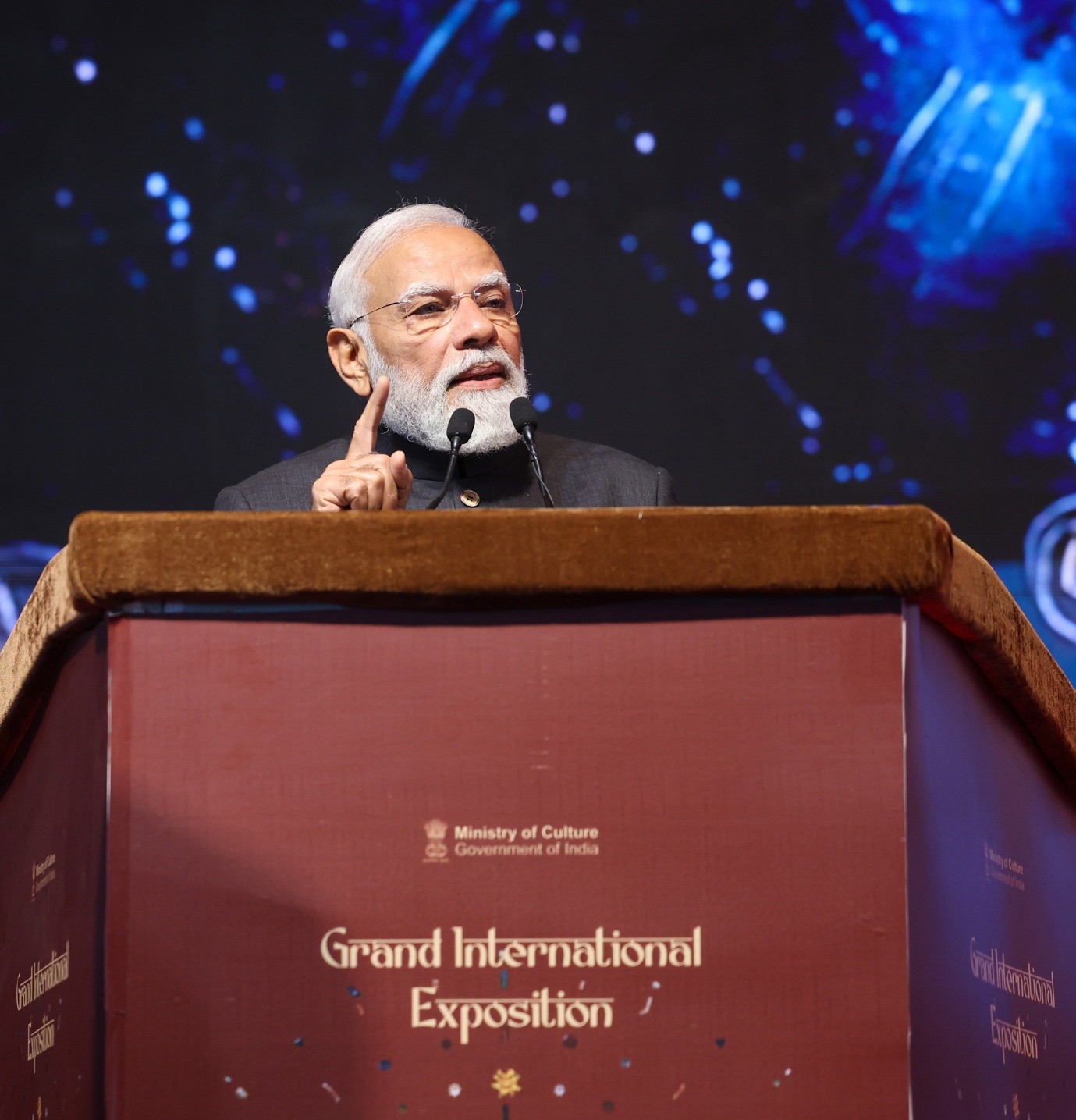
Highlighting the universal appeal of the Buddha’s teachings, the Honourable Prime Minister cited the overwhelming public response to the recent Sacred Relics expositions conducted in Thailand, Vietnam, Mongolia, and autonomous Republic of Kalmykia in Russia, where millions of devotees paid homage, transcending national boundaries. He shared personal reflections on his lifelong connection with Buddha Dhamma, recalling Vadnagar and Sarnath, and his pilgrimages to key Buddhist sites across Asia. He emphasised India’s role as not only the custodian of the Buddha’s Sacred Relics but also a living bearer of this tradition, preserving the Sacred Relics found at Piprahwa, Vaishali, Devni Mori, and Nagarjunakonda through scientific and spiritual means. The Honourable Prime Minister also highlighted India’s sustained efforts to preserve Buddhist heritage globally and domestically, including post-earthquake reconstruction in Nepal and Myanmar, infrastructure development at major pilgrimage sites, and the creation of a national Buddhist Circuit in India. He underlined the importance of Pali, the original language of the Buddha’s teachings, and noted that its recognition as a classical language would deepen access to the Dhamma and strengthen research.
Following the programme, a panel discussion on Buddhist Philosophy brought together eminent scholars from across India to reflect on the philosophy of relics, the core teachings of the Buddha Dhamma, and the relevance of paṭiccasamuppāda (Dependent Origination) to contemporary global challenges. The session was highly interactive, intellectually stimulating, and deeply enlightening. With this, the programme concluded successfully.